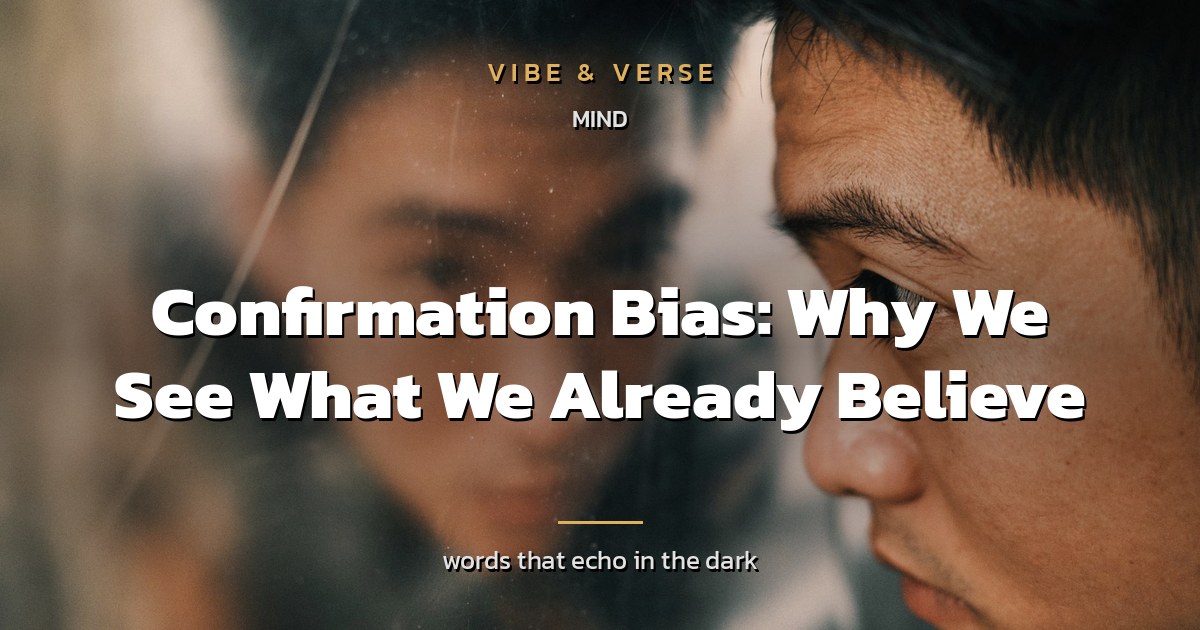
You read a headline that confirms what you already think, and you nod along, certain it's true. You see one that contradicts you, and you instantly find reasons it must be wrong. This isn't a character flaw unique to you — it's a universal quirk of the human mind called confirmation bias, and it quietly shapes nearly everything we believe.
What Confirmation Bias Is
Confirmation bias is our tendency to search for, favor, and remember information that supports what we already believe, while ignoring or dismissing information that challenges it. We like to imagine we form opinions by objectively weighing the evidence. In reality, we often arrive at a belief first, then unconsciously gather support for it, like a lawyer building a case rather than a scientist testing a theory.
How It Works in the Mind
The bias operates in several sneaky ways at once. We seek out sources that agree with us and avoid those that don't. When we do encounter mixed evidence, we scrutinize the parts we dislike far more harshly than the parts we like. And when we remember an argument later, we recall the points that supported our side more easily than the ones that didn't. Each step feels like reasoning, but the conclusion was quietly decided in advance.
Why We're Wired This Way
There are good reasons our brains work like this, even if the results are flawed. Constantly questioning everything we believe would be exhausting and paralyzing, so the mind takes shortcuts to preserve a stable worldview. Being wrong can also feel like a threat to our identity, so defending our existing beliefs protects our sense of self. And agreeing with our group has long helped humans stay socially connected. What served our ancestors, however, can badly distort our thinking today.
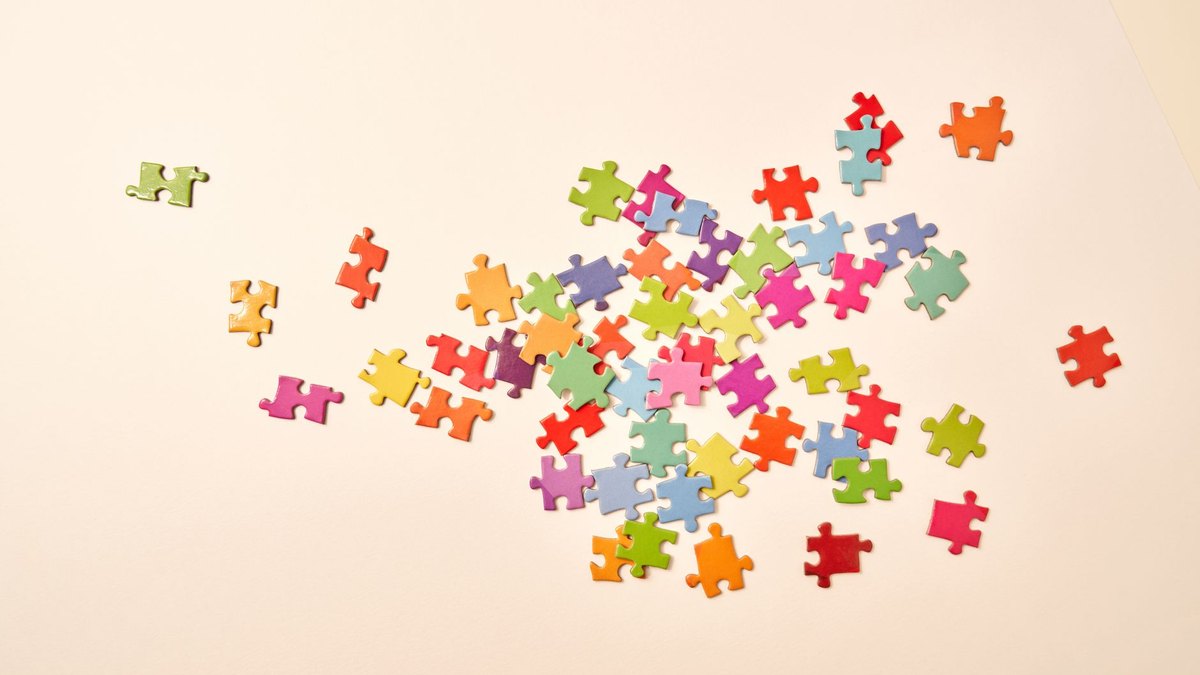
Where It Costs Us
Confirmation bias shapes far more than abstract opinions. In money, investors seek out news that supports a stock they already own and ignore warning signs. In relationships, once we decide someone is selfish or kind, we notice every action that fits and overlook the rest. In public life, it drives people deeper into echo chambers, where every incoming message confirms what they already think and disagreement looks like ignorance or malice.
The internet supercharges all of this. Algorithms learn what we like and feed us more of it, quietly walling us inside a comfortable, self-confirming bubble.
Loosening Its Grip
You can't switch off confirmation bias, but you can work against it:
- **Actively seek the other side.** Deliberately read the strongest version of the argument you disagree with, not the weakest.
- **Ask what would change your mind.** If no possible evidence could shift your view, you're defending a belief, not holding a conclusion.
- **Notice your emotional reactions.** When a piece of information makes you feel triumphant or furious, pause — strong feelings often signal the bias at work.
- **Value being right over feeling right.** Treat a corrected belief as a win, not a loss.
The Takeaway
Confirmation bias is the quiet reason two people can look at the same facts and walk away more convinced than ever of opposite conclusions. It makes us feel objective while we're anything but. The cure isn't to distrust everything, but to hold our own beliefs a little more loosely — to stay genuinely curious about where we might be wrong. In a world engineered to show us only what we already believe, the ability to question yourself may be the rarest and most valuable kind of thinking there is.

Be the first to share a thought.