Imagine you find $100 on the street — a nice little lift to your day. Now imagine you lose $100 from your wallet. The sting of that loss almost certainly outweighs the joy of the find, even though the amount is identical. This lopsided reaction has a name: loss aversion. And it's one of the most powerful forces shaping how we handle money, risk, and decisions.
Losses Loom Larger Than Gains
Loss aversion is the well-established finding that the pain of losing something is psychologically about twice as intense as the pleasure of gaining the same thing. Winning feels good; losing feels worse. Our minds are not balanced scales — they're tilted toward avoiding losses, sometimes far beyond what's rational.
This tilt is ancient. For our ancestors, a loss — of food, shelter, or safety — could be fatal, while a gain was merely nice to have. Brains wired to fear loss survived, and we inherited that wiring, even though our modern "losses" are often just numbers on a screen.
How It Warps Our Choices
Loss aversion quietly distorts decisions in ways that cost us. Investors sell winning stocks too early to "lock in" a gain, yet hold losing stocks far too long, unwilling to make the loss real. People turn down good opportunities because the small chance of loss looms larger than the likely reward. We pay for warranties and insurance we don't need, buying peace of mind against losses that are unlikely.
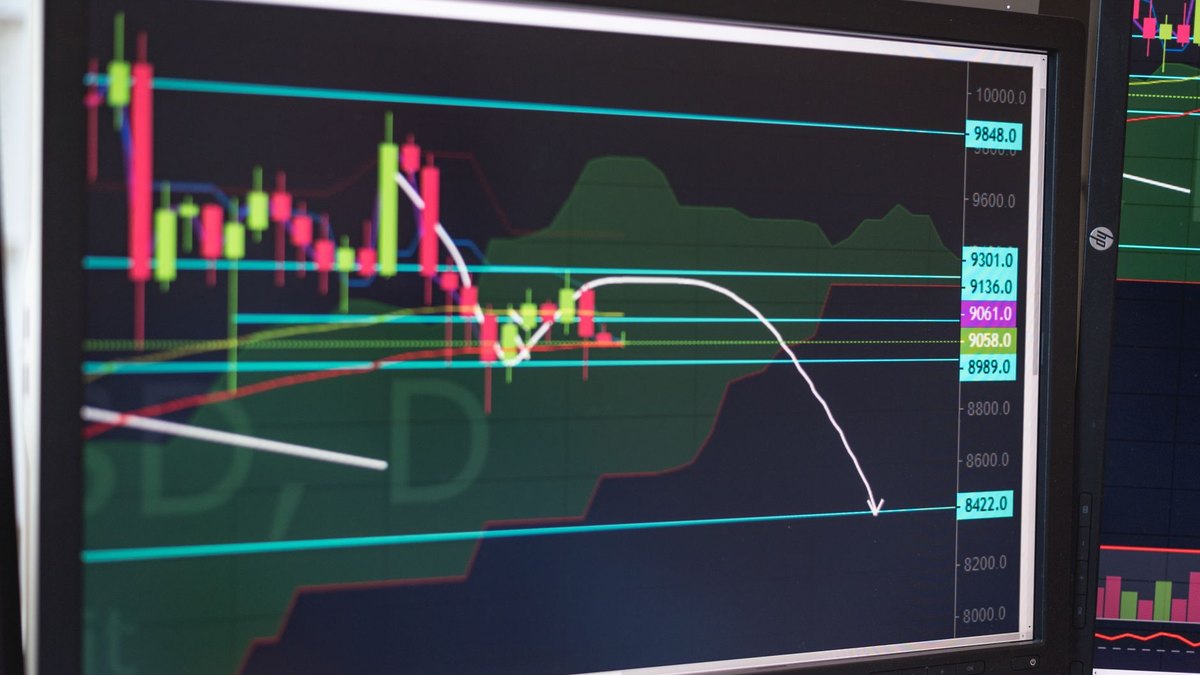
It also makes us vulnerable to manipulation. "Don't miss out!" and "Only 2 left!" work because they frame a decision as avoiding a loss rather than making a gain — and avoiding loss feels more urgent.
The Framing Trick
One of the most fascinating things about loss aversion is that the same choice can feel completely different depending on how it's framed. A medical treatment described as having a "90% survival rate" feels far more appealing than one with a "10% mortality rate" — even though they're identical. Marketers, negotiators, and headline writers exploit this constantly. Simply reframing a gain as an avoided loss changes how we feel and decide.
Working With It
You can't switch off loss aversion, but you can keep it from running your decisions:
- **Judge choices on outcomes, not feelings.** Ask what the actual odds and amounts are, separate from the fear of losing.
- **Reframe deliberately.** Try describing a decision both as a potential gain and as an avoided loss. If your answer flips, you know emotion is steering.
- **Zoom out.** A single loss feels enormous up close. Viewed across a whole year or portfolio, it's usually one data point among many.
The Takeaway
Loss aversion is the hidden reason fear so often beats logic in our financial lives. It makes us cling, hesitate, and overreact — treating every potential loss as a threat twice its actual size. You can't delete this instinct, but you can name it. And once you can feel loss aversion tugging at a decision, you gain the power to ask a calmer question: not "how do I avoid losing?" but "what is the smartest choice here, really?"


Be the first to share a thought.