The holidays "sneak up" on us every year. The car needs new tires. The annual insurance bill arrives. None of these are truly surprises — we know they're coming — yet they still knock our budgets sideways and often send us reaching for a credit card. There's a simple, powerful tool that fixes this: the sinking fund. It's a quietly brilliant habit that turns big, scary expenses into small, manageable ones.
What Is a Sinking Fund?
A sinking fund is money you set aside gradually for a specific, expected expense in the future. Instead of scrambling to find a large sum all at once, you save a small amount regularly until the money is ready when you need it. Think of it as breaking one big bill into tiny, painless pieces spread across many months. When the expense finally arrives, the money is already waiting — no stress, no debt.
How It's Different From an Emergency Fund
People often confuse the two, but they serve different jobs. An emergency fund is for the unexpected — a job loss, a medical bill, a sudden crisis. A sinking fund is for the expected — things you know are coming, like holidays, car maintenance, annual subscriptions, or a planned vacation. Keeping them separate means you won't have to raid your emergency safety net just to cover a predictable cost you could have planned for.
Why Sinking Funds Work So Well
The magic of a sinking fund is psychological as much as financial. Saving a small amount each month feels effortless, while facing a huge bill all at once feels overwhelming. By planning ahead, you remove the panic and the temptation to borrow. You also gain clarity: instead of vaguely worrying about future costs, you have a concrete plan for each one. That sense of control is one of the most underrated rewards of good money habits.
Common Things to Save For
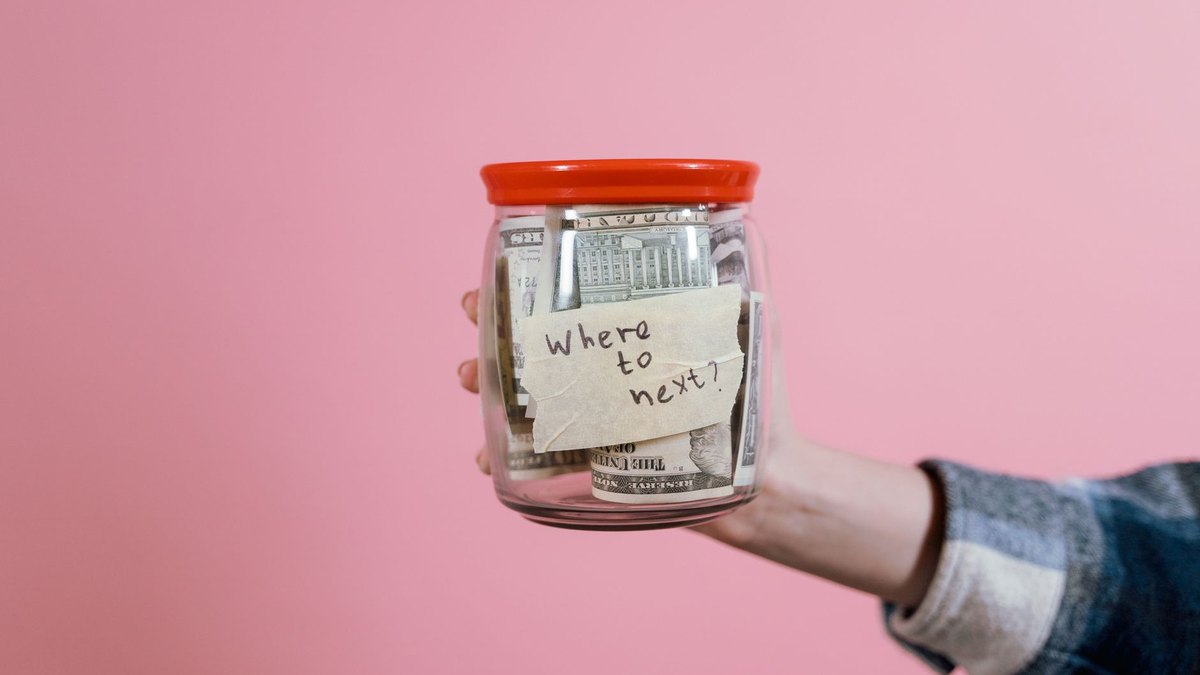
Almost any large, irregular expense is a candidate for a sinking fund. Think of holiday gifts, annual insurance premiums, car repairs and maintenance, home repairs, medical or dental costs, vacations, back-to-school shopping, or replacing an aging appliance. Look back over the past year and notice which big expenses threw off your budget. Those are exactly the ones a sinking fund can tame going forward.
How to Set One Up
Start by listing your upcoming big expenses and estimating the cost and timing of each. Divide the total by the number of months you have to save, and that's your monthly target. Keep the money somewhere separate from your everyday spending — even just a clearly labeled savings account — so you're not tempted to spend it. Then automate the transfer if you can, so saving happens without you having to think about it.
The Takeaway
Sinking funds are a simple habit with an outsized impact: they turn financial shocks into non-events. By saving small amounts ahead of time for the expenses you know are coming, you protect yourself from debt, reduce stress, and stay in control of your money. This article is general educational information rather than personalized advice, but the principle is universal — a little planning today makes tomorrow's big bills feel wonderfully small.



Be the first to share a thought.