If budgeting has always felt too complicated or easy to ignore, the envelope method might be the simple, tangible system you need. It's one of the oldest budgeting techniques around, and it endures because it works. By dividing your money into categories and limiting what you can spend in each, the envelope method makes overspending difficult and your spending visible. Here's how it works and how to adapt it for a world where most of us rarely use cash.
How the Envelope Method Works
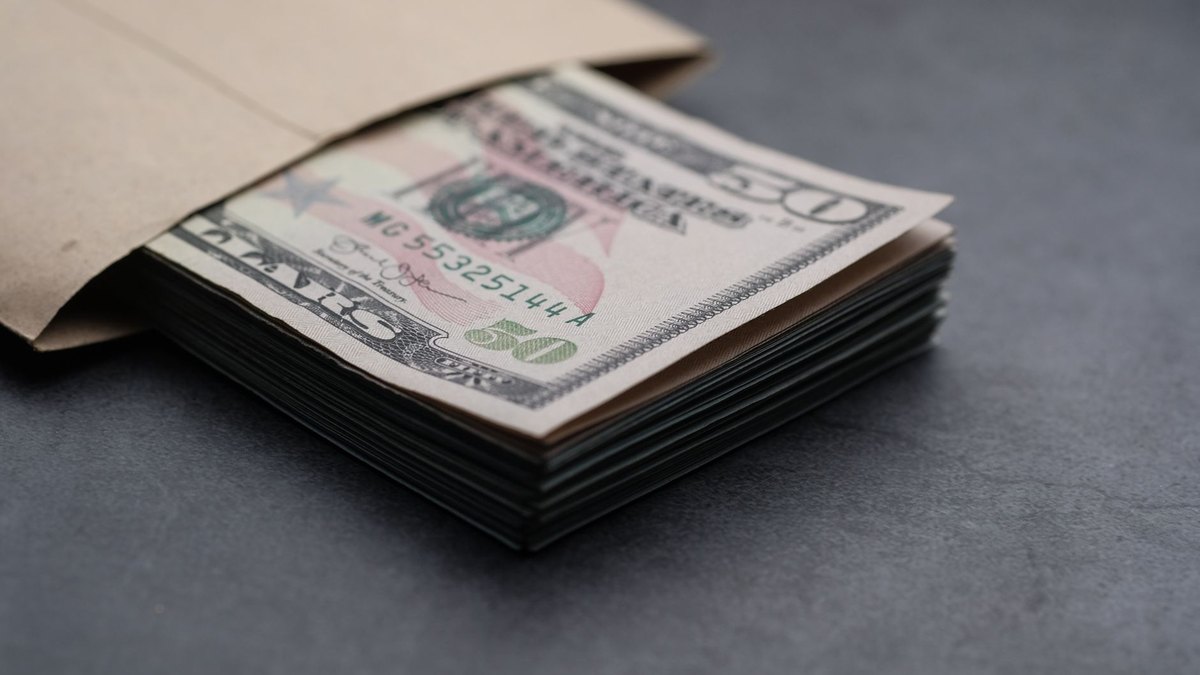
The classic version is beautifully simple. You decide how much to spend in each category — groceries, transport, entertainment, and so on — then put that amount of physical cash into a labeled envelope. When an envelope is empty, you're done spending in that category until the next period. There's no complicated tracking; the cash in the envelope shows exactly what you have left at a glance.
Why It's So Effective
The power of the envelope method lies in how tangible it makes spending. Handing over physical cash and watching an envelope empty out feels more real than swiping a card, which makes you naturally more mindful. Because you physically can't spend more than what's in the envelope, it enforces limits without requiring willpower in the moment. This built-in discipline is what makes the method so effective for people who tend to overspend.
Setting Up Your Categories
To start, list your regular spending categories and decide a realistic amount for each based on your income and priorities. Common categories include groceries, dining out, transport, personal spending, and entertainment. Fixed bills like rent are usually handled separately, since they're paid directly. The goal is to give every spending category a clear limit, so your money has a defined purpose rather than disappearing without a trace.
Adapting It for a Cashless World
Most people rarely carry cash today, but the envelope concept still works. You can create separate accounts or use budgeting apps that let you set up virtual "envelopes" for each category. The principle is the same: allocate a set amount to each category and stop spending when it's used up. This digital version keeps the discipline of the envelope method while fitting the way we actually pay for things now.
What to Do With Leftovers
When you have money left in an envelope at the end of the period, you have choices. You might roll it over to give that category more room next time, or move it toward savings or paying off debt. Leftover money is a small win worth celebrating and using intentionally. Deciding in advance what to do with surpluses helps you stay motivated and turns careful spending into real financial progress.
Who the Method Suits Best
The envelope method is especially helpful for people who struggle with overspending or find abstract budgets easy to ignore. Its hands-on, visual nature makes limits feel concrete. That said, it may feel restrictive for those who prefer flexibility, and it takes some setup. Like any system, it works best when it fits your personality — the best budget is the one you'll actually stick with over the long run.
The Bottom Line
The envelope budgeting method is a simple, powerful way to take control of your spending by giving every category a clear limit and making your money visible. Whether you use physical cash envelopes or a digital version with separate accounts or apps, the discipline is the same: when the envelope is empty, you stop. For anyone who wants a straightforward, foolproof way to curb overspending and stay on track, the envelope method is well worth a try.





Be the first to share a thought.