Stars can seem eternal, shining steadily for billions of years. But like everything else, they eventually run out of fuel and die — and some of them die spectacularly. A supernova is the explosive death of a star, one of the most powerful events in the entire universe. For a brief time, a single exploding star can outshine all the billions of stars in its galaxy combined. Beyond the sheer drama, supernovae play a crucial role in creating the very elements our world is made of.
What Powers a Star
For most of its life, a star shines by fusing hydrogen into helium in its core, a process that releases enormous energy. This outward push of energy balances the inward pull of the star's own gravity, keeping it stable. But this balance can't last forever. Eventually the star exhausts its usable fuel, and when it does, the delicate standoff between energy and gravity is broken — setting the stage for a dramatic end.
The Collapse of a Massive Star
For very massive stars, the end comes suddenly. When the core can no longer produce enough energy to resist gravity, it collapses inward in a fraction of a second. The outer layers rush in and then rebound in a catastrophic explosion, blasting the star's material outward at tremendous speeds. This type of supernova marks the death of a giant star and can leave behind an exotic object like a neutron star or a black hole.
The Other Kind: Exploding White Dwarfs
Not all supernovae come from giant stars. Another type occurs in systems where a dense stellar remnant called a white dwarf pulls material from a companion star. When the white dwarf gathers too much mass, it becomes unstable and detonates completely in a runaway thermonuclear explosion. These supernovae are remarkably consistent in brightness, which makes them invaluable tools for measuring distances across the universe.
Forging the Elements of Life
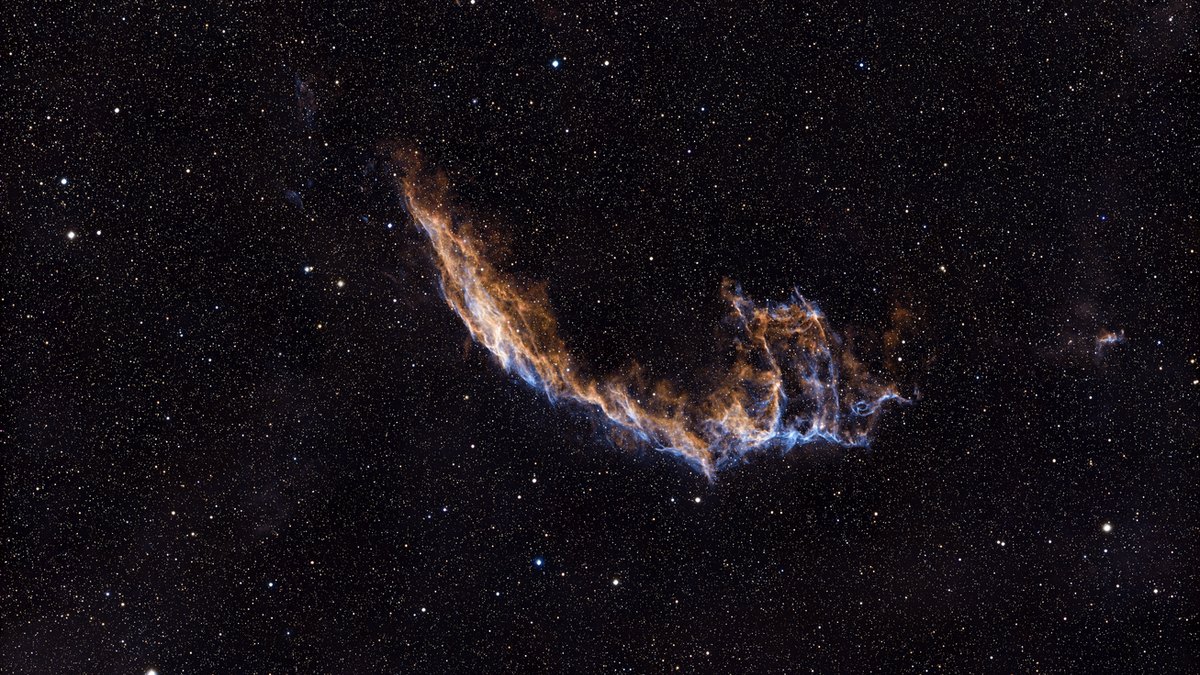
Supernovae are cosmic factories. The intense heat and pressure of the explosion forge heavy elements and scatter them across space. Much of the iron in your blood, the calcium in your bones, and the atoms in the world around you were created in exploding stars long ago. In a very real sense, we are made of stardust — the recycled remains of stars that died before our Sun was born.
Seeding New Stars and Worlds
The debris flung out by a supernova enriches the clouds of gas and dust that drift through galaxies. Over time, these enriched clouds collapse to form new stars and planets. So while a supernova marks an ending, it's also a beginning — its scattered material becomes the raw ingredients for the next generation of worlds. The death of one star helps give rise to many others.
Watching Supernovae From Earth
Supernovae are rare in any single galaxy, but with so many galaxies to observe, astronomers detect them regularly. Historically, a few bright supernovae have even been visible to the naked eye, appearing as brilliant new "stars" in the sky. Studying them helps scientists understand how stars evolve, how elements form, and how fast the universe is expanding.
The Bottom Line
A supernova is the explosive death of a star — either the collapse of a massive giant or the detonation of a white dwarf. These cataclysmic events briefly shine brighter than entire galaxies and forge the heavy elements that make planets and life possible. Far from being mere destruction, supernovae recycle the universe's material into new stars and worlds. Every time you look at the world around you, you're seeing the legacy of stars that died in fire.

Be the first to share a thought.