We all know what good habits look like — exercise, reading, saving money, eating well. The hard part isn't knowing; it's making them last. Most habits collapse within weeks, and we blame ourselves for lacking discipline. But willpower was never the answer. Lasting habits come from good design, not endless motivation. Here's how to build good habits that actually stick.
Start Absurdly Small
The biggest reason habits fail is starting too big. Motivation is high on day one, so you commit to an hour at the gym or reading fifty pages — then reality hits and you quit. Instead, start so small it feels almost silly: two minutes of exercise, one page, one push-up. A tiny habit you actually do beats an ambitious one you abandon.
Anchor It to Something You Already Do
New habits stick better when you attach them to existing ones. Use the formula "after I do X, I will do Y." After I pour my morning coffee, I'll write one sentence. After I brush my teeth, I'll do one stretch. Your established routine becomes a reliable trigger, so you don't have to remember or rely on motivation.
Make It Obvious and Easy
We do what's convenient. If you want to read more, leave the book on your pillow. If you want to exercise, lay out your clothes the night before. Reduce every bit of friction between you and the good habit. The easier it is to start, the more likely you'll actually do it — design your environment to do the work for you.
Focus on Showing Up, Not on Results
In the early days, don't chase big outcomes — just keep the habit alive. Going to the gym for five minutes still counts, because you're casting a vote for the person you want to become. Consistency matters far more than intensity at the start. Once the habit is automatic, you can always make it bigger.
Never Miss Twice
You will slip — everyone does. The danger isn't one missed day; it's letting one become two, then ten. Give yourself grace for a single miss, but make an unbreakable rule never to skip twice in a row. Getting back on track immediately is what separates a temporary lapse from a broken habit.
Track It So You Can See Progress
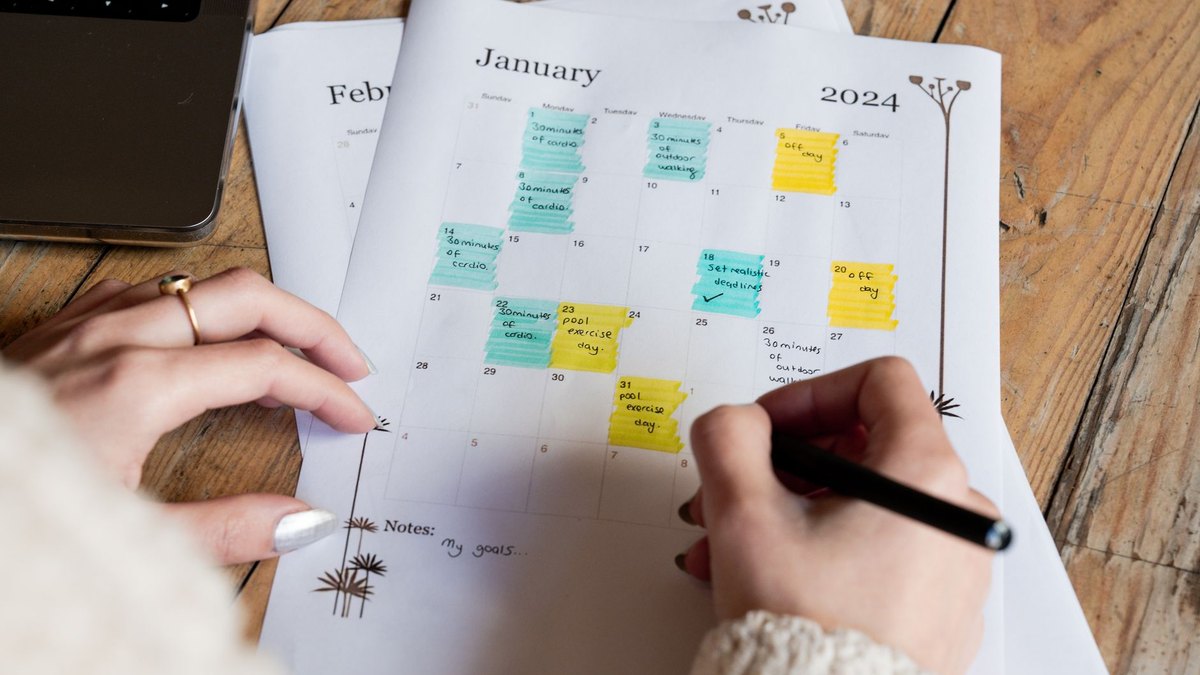
There's something satisfying about marking an X on a calendar or checking a box each day. Tracking makes your progress visible, and that visible streak becomes its own motivation — you won't want to break the chain. Keep it simple; the goal is a clear, quick signal that you showed up again today.
The Takeaway
Good habits don't stick because you want them badly enough — they stick because you make them small, obvious, and easy to repeat. Anchor a tiny action to something you already do, focus on showing up rather than on results, and never miss twice. Over time, these small, consistent actions compound into the person you're trying to become. Design the habit well, and willpower stops being the thing you depend on.



Be the first to share a thought.