Everyone procrastinates — putting off the important task to scroll, clean, or "start tomorrow." We usually blame laziness or a lack of willpower, but that's not really what's happening. Procrastination is how we escape an uncomfortable feeling attached to a task: boredom, anxiety, self-doubt, or overwhelm. Once you see it that way, you can actually address the real cause. Here's how to stop procrastinating for good.
Why You Really Procrastinate
Procrastination isn't a time-management problem; it's an emotion-management problem. When a task makes you feel anxious, bored, or unsure, delaying it gives instant relief — and your brain loves instant relief. The trouble is the task doesn't disappear; it just waits, often growing scarier. Understanding this is key: the goal isn't to force yourself harder, it's to lower the discomfort.
Make the First Step Ridiculously Small
Most procrastination happens at the starting line, because the whole task feels huge. So shrink the start. Don't "write the report" — just open the document and write one sentence. Don't "clean the house" — just clear one shelf. Starting is the hardest part, and a tiny first step is easy to say yes to. Momentum usually carries you the rest of the way.
Use the Two-Minute Rule
If something takes less than two minutes, do it now instead of adding it to your mental pile. For bigger tasks, commit to just two minutes of work. Tell yourself you can stop after that. More often than not, once you've begun, continuing feels easier than stopping — the resistance was all in the anticipation.
Remove the Friction and the Distractions
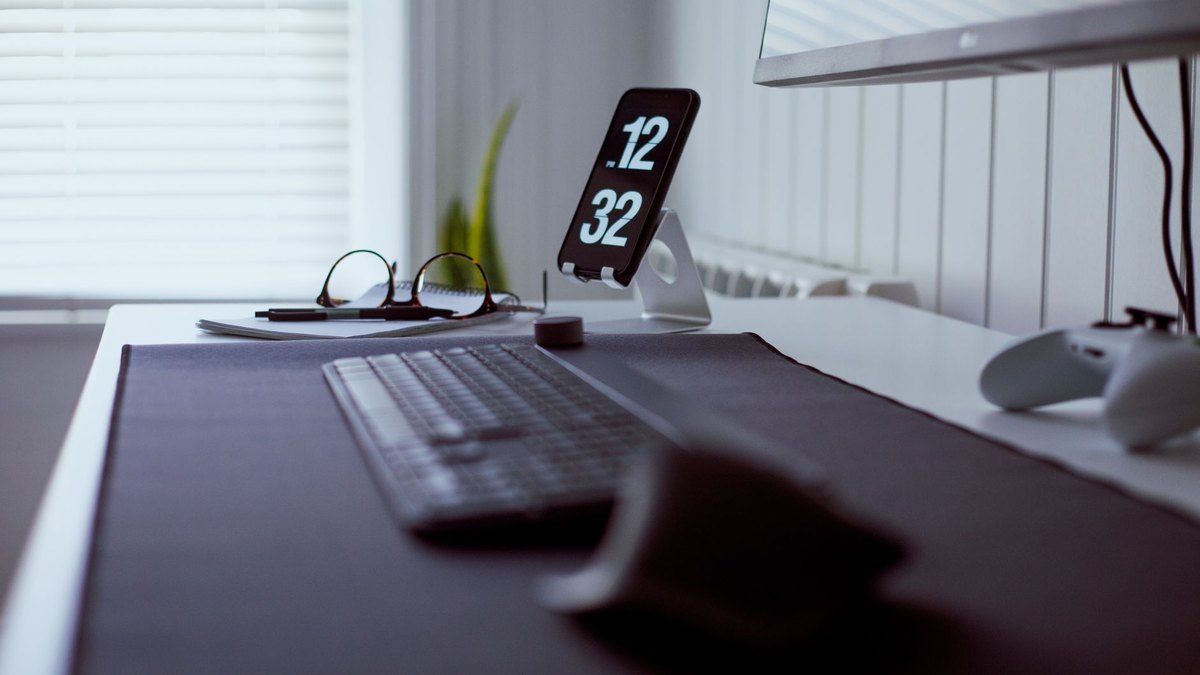
We drift toward whatever is easiest. If your phone is in reach, you'll grab it; if the task requires digging out files, you'll avoid it. So flip the setup: put distractions out of sight and make the task the path of least resistance. Prepare everything in advance so that starting requires almost no effort or decision.
Forgive Yourself for Past Procrastination
It sounds strange, but research shows that people who forgive themselves for procrastinating are less likely to do it again. Beating yourself up adds more bad feelings to the task, which makes you avoid it even more. Drop the guilt, accept that you delayed, and simply focus on the next small step forward.
Attach the Task to a Reward
Pair something you have to do with something you want. Let yourself have your favorite coffee only while doing the boring task, or reward finishing with something you enjoy. Giving your brain a nearer, more pleasant payoff helps counter its craving for the instant relief that procrastination normally provides.
The Takeaway
You don't procrastinate because you're lazy — you procrastinate to avoid an uncomfortable feeling. So the fix isn't more pressure; it's making starting easier and less threatening. Shrink the first step, cut the distractions, drop the guilt, and give yourself a reason to begin. Do this enough times and starting stops feeling like a battle. Action, not motivation, is what breaks the habit.


Be the first to share a thought.