
"Breakfast is the most important meal of the day" is one of the most repeated pieces of nutrition advice ever. Many of us grew up believing that skipping it was a serious mistake. But in recent years, that idea has been questioned, and the reality turns out to be more nuanced than the slogan suggests. So is breakfast really essential, or can you safely skip it? Let's look at what the evidence actually shows.
Where the Idea Came From
The famous phrase was popularized in part by food marketing, particularly by companies selling breakfast cereals. That doesn't make breakfast bad, but it's worth knowing that the slogan was shaped by advertising as much as by science. Understanding its origins helps explain why the message became so absolute, when the truth is far more flexible and personal than a one-size-fits-all rule.
What Breakfast Can Do for You
For many people, breakfast genuinely helps. Eating in the morning can steady your energy, improve concentration, and prevent the intense hunger that leads to overeating later in the day. It's also a natural opportunity to include nutritious foods — like whole grains, fruit, and protein — that are easy to miss otherwise. For children and busy workers especially, a good breakfast can support focus and steady mood through the morning.
The Case for Skipping It
On the other hand, research suggests that skipping breakfast isn't harmful for everyone. Some people simply aren't hungry in the morning, and forcing food down does little good. Intermittent fasting, which often involves skipping breakfast, works well for some. What matters most is your overall diet across the day, not whether you eat at a specific hour. If skipping breakfast suits you and you eat well otherwise, that can be perfectly healthy.
Quality Matters More Than Timing
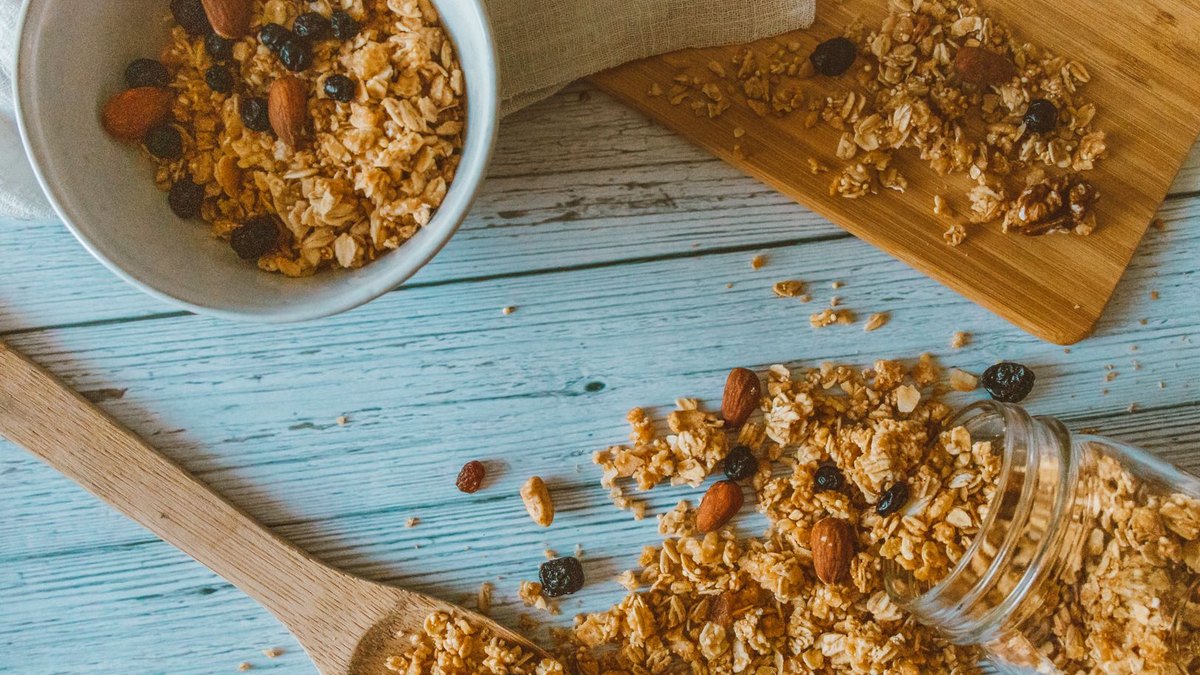
Perhaps the biggest point is that what you eat matters far more than when. A breakfast of sugary pastries and sweet drinks may be worse than no breakfast at all, while a balanced meal can set you up well. If you do eat breakfast, aim for foods that keep you full — protein, fiber, and whole grains — rather than quick sugar that leaves you hungry an hour later. A poor breakfast isn't a health win just because you ate something.
Listen to Your Body
The healthiest approach is often the most personal one. Pay attention to how you feel and perform with and without breakfast. Some people think and work better after a morning meal; others feel light and focused fasting until midday. Neither is wrong. Rather than following a rigid rule, use your own energy, hunger, and concentration as your guide to what works for you.
The Bottom Line
Breakfast isn't magically the most important meal of the day for everyone — that's more slogan than science. For many people it's genuinely helpful, supporting energy, focus, and better food choices; for others, skipping it is perfectly fine. What matters most is the overall quality of your diet and listening to your own body. Eat breakfast if it serves you, skip it if it doesn't, and focus on eating well throughout the whole day.





Be the first to share a thought.