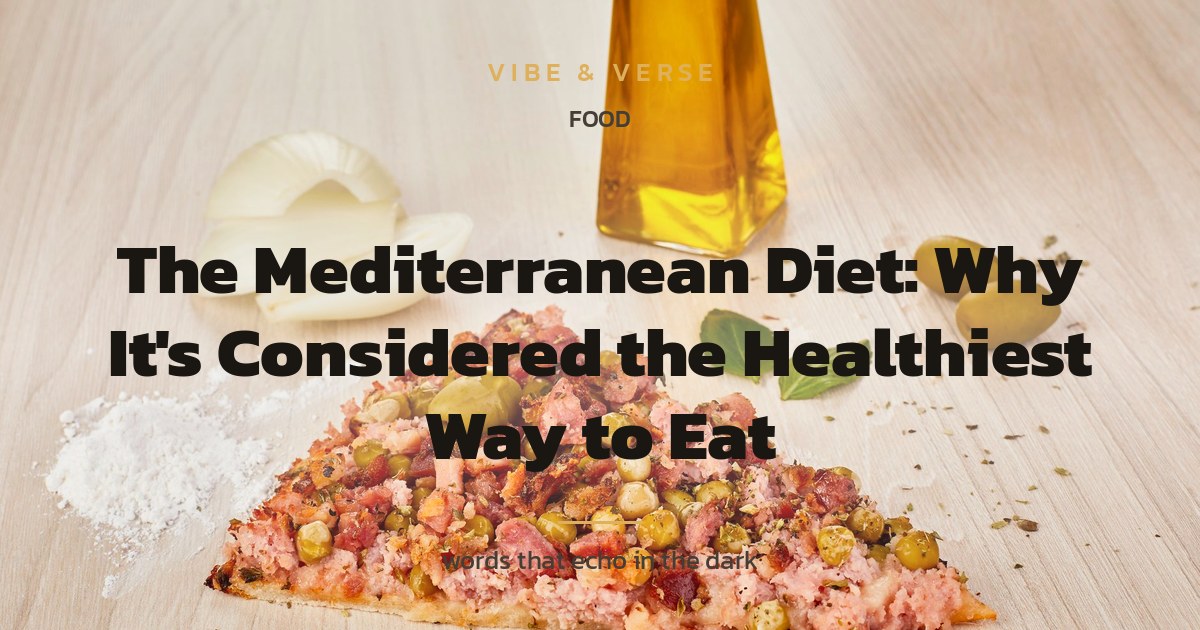
Year after year, nutrition experts rank the Mediterranean diet among the healthiest ways to eat in the world. But unlike many trendy diets, it isn't a rigid, restrictive plan built around counting or cutting. Instead, it's a sustainable way of eating inspired by the traditional foods of countries bordering the Mediterranean Sea. It emphasizes whole, fresh foods and the enjoyment of meals. Here's what the Mediterranean diet is and why it has earned its stellar reputation.
What the Mediterranean Diet Is
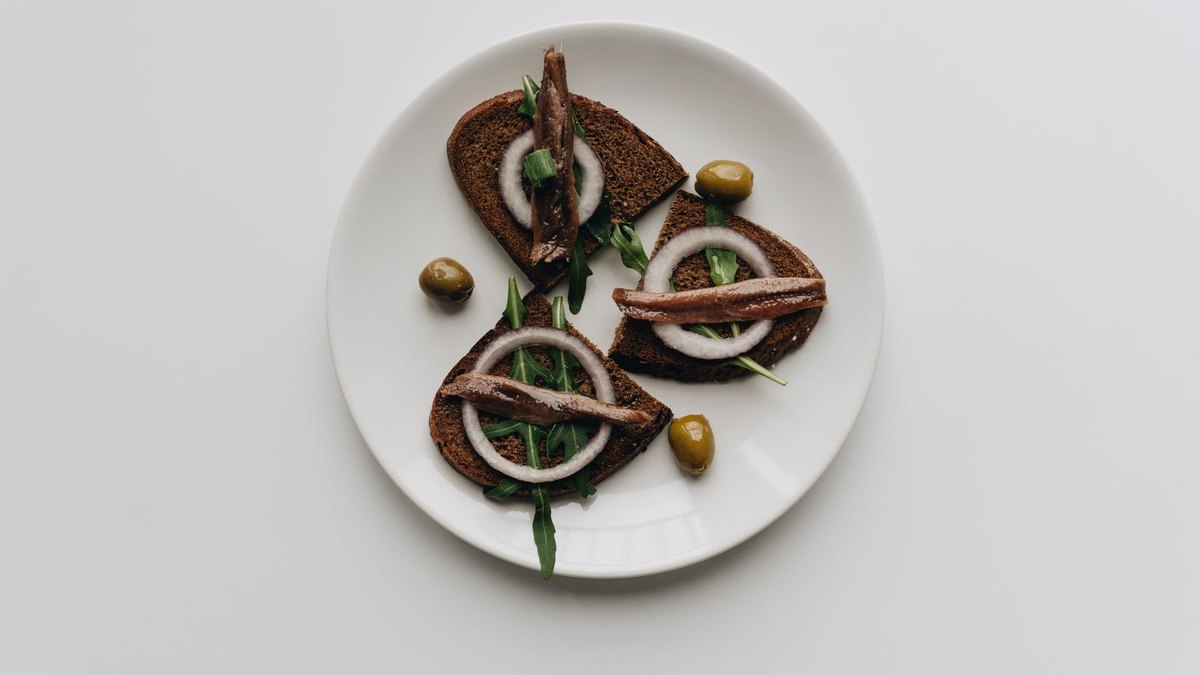
The Mediterranean diet is based on the traditional eating patterns of regions like Greece, Italy, and Spain. It centers on vegetables, fruits, whole grains, legumes, nuts, and olive oil, with fish and seafood eaten regularly. Poultry, eggs, and dairy appear in moderation, while red meat and sweets are eaten only occasionally. It's less a strict diet and more a balanced, flexible pattern of eating built around wholesome foods.
Built on Whole, Fresh Foods
At the heart of this way of eating is an emphasis on minimally processed, whole foods. Fresh produce, whole grains, and legumes form the foundation of most meals, providing fiber, vitamins, and antioxidants. By focusing on natural ingredients rather than heavily processed products, the diet naturally reduces added sugars, unhealthy fats, and empty calories. This focus on real food is a big part of why it's so beneficial.
The Role of Healthy Fats
Unlike diets that fear all fat, the Mediterranean approach embraces healthy fats, especially olive oil. Used generously in place of butter and processed oils, olive oil is a source of beneficial monounsaturated fat. Nuts and fish also provide healthy fats that support heart and brain health. The lesson is that the type of fat matters more than simply avoiding fat altogether — and quality fats are part of a healthy diet.
Why It's So Good for Your Heart
The Mediterranean diet is especially celebrated for its heart benefits. Its combination of healthy fats, fiber-rich plants, fish, and limited processed food is associated with lower rates of heart disease. By favoring wholesome ingredients and cutting back on red meat and sugary foods, it supports healthy cholesterol and blood pressure. Decades of research consistently link this eating pattern with better cardiovascular health and longevity.
More Than Just Food
The Mediterranean lifestyle is about more than a list of ingredients. Traditionally, it includes enjoying meals slowly, often shared with family and friends, along with staying physically active. This social, relaxed approach to eating supports a healthier relationship with food and reduces stress. The diet's benefits come not only from what's on the plate, but from the mindful, communal way food is enjoyed.
How to Start Eating This Way
You don't have to overhaul your life overnight. Start by adding more vegetables and whole grains to your meals, using olive oil in place of less healthy fats, eating fish a couple of times a week, and treating red meat and sweets as occasional foods rather than staples. Snacking on nuts and fruit instead of processed treats is another easy step. Small, gradual changes make this way of eating sustainable.
The Bottom Line
The Mediterranean diet earns its reputation as one of the healthiest ways to eat because it's balanced, sustainable, and built around whole, fresh foods, healthy fats like olive oil, and plenty of plants. It supports heart health and overall wellbeing without strict rules or deprivation. Better still, it treats eating as something to enjoy, not endure. Adopting even a few of its principles can be a simple, delicious step toward a healthier life.




Be the first to share a thought.