By the time dinner rolls around, you're tired, hungry, and short on willpower — which is exactly when takeout and unhealthy choices win. Meal prep solves this by doing the thinking and cooking ahead of time, so healthy food is ready when you need it. It saves money, cuts stress, and makes eating well far easier. If you've never tried it, here's a simple, beginner-friendly guide to getting started.
What Meal Prep Really Is
Meal prep simply means preparing some or all of your meals in advance, usually for the days ahead. It doesn't have to mean eating identical containers of bland chicken and rice every day. It can be as flexible as cooking a big batch of one dish, prepping ingredients so meals come together fast, or assembling full meals for the week. The goal is to make healthy eating the path of least resistance.
Why It's Worth the Effort
The benefits go well beyond convenience. When healthy food is ready to eat, you're far less likely to grab takeout or junk. You save money by cooking in bulk and wasting less. You save time by cooking once instead of every single day. And you reduce the daily mental load of constantly deciding what to eat. For many people, meal prep is the habit that finally makes eating well sustainable.
Start Small
The biggest beginner mistake is trying to prep every meal for the entire week on day one — it's exhausting and rarely lasts. Instead, start small. Maybe just prep lunches for a few days, or cook one big dinner you can eat twice. As the habit becomes comfortable, you can expand. Building slowly makes meal prep something you actually keep doing rather than abandon after a stressful weekend.
Keep the Formula Simple
You don't need fancy recipes. A reliable approach is to build meals from a simple formula: a protein, a whole grain or carb, and some vegetables. Cook a batch of each — say, chicken or beans, rice or potatoes, and roasted or steamed veggies — and mix and match through the week. Varying the seasonings and sauces keeps things interesting without extra work.
Cook in Batches and Store Smart
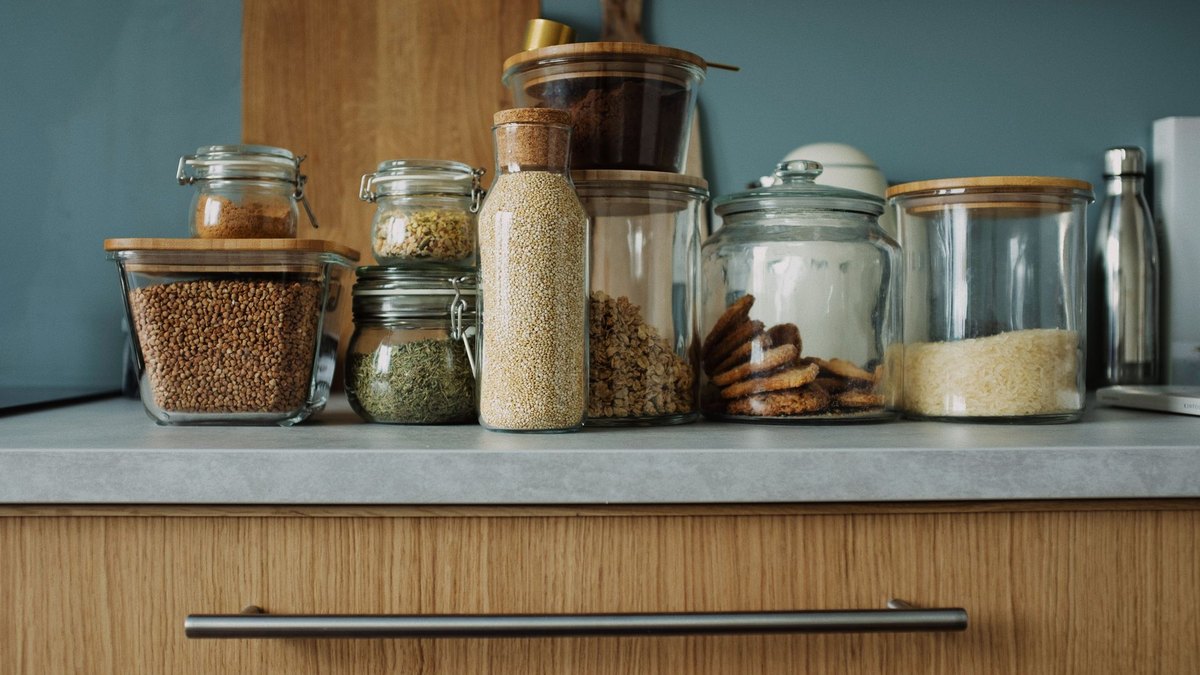
The real time-saver is batch cooking: making large amounts of a few staples at once. Roast a tray of vegetables, cook a pot of grains, and prepare a protein, then portion them out. Store meals in containers in the fridge for the next few days, and freeze extras for later. Good, clearly organized storage keeps your food fresh and makes grabbing a ready meal effortless.
Make It a Routine
Meal prep works best when it has a regular slot in your week. Many people pick one or two days — often a weekend day — to shop and cook for the days ahead. Having a set time turns it into a habit rather than a scramble. Pair it with music or a podcast, and prep time can become something you genuinely look forward to rather than a chore.
The Takeaway
Meal prep is one of the most practical habits for eating better without daily stress. By starting small, keeping meals simple, cooking in batches, and making it a routine, you turn healthy eating into the easy, default choice. This article shares general healthy-eating and cooking ideas rather than personalized nutrition advice, but the payoff is real — a few hours of prep can save you time, money, and countless unhealthy last-minute decisions all week long.



Be the first to share a thought.