There's a common belief that eating healthy means spending a fortune on trendy superfoods and organic everything. In reality, some of the most nutritious foods are also the cheapest, and eating well on a budget is entirely possible with a bit of planning. The key is knowing where your money goes furthest and avoiding the traps that quietly inflate your grocery bill. Here's how to eat healthy without overspending.
Plan Your Meals First
Shopping without a plan is how money and food both get wasted. Before you go, decide what you'll cook for the week and make a list based on it. Planning keeps you from impulse buys, ensures you use what you purchase, and reduces the food that rots forgotten in the fridge. A little planning up front is the single most effective way to eat better and spend less at the same time.
Buy Affordable Staples in Bulk
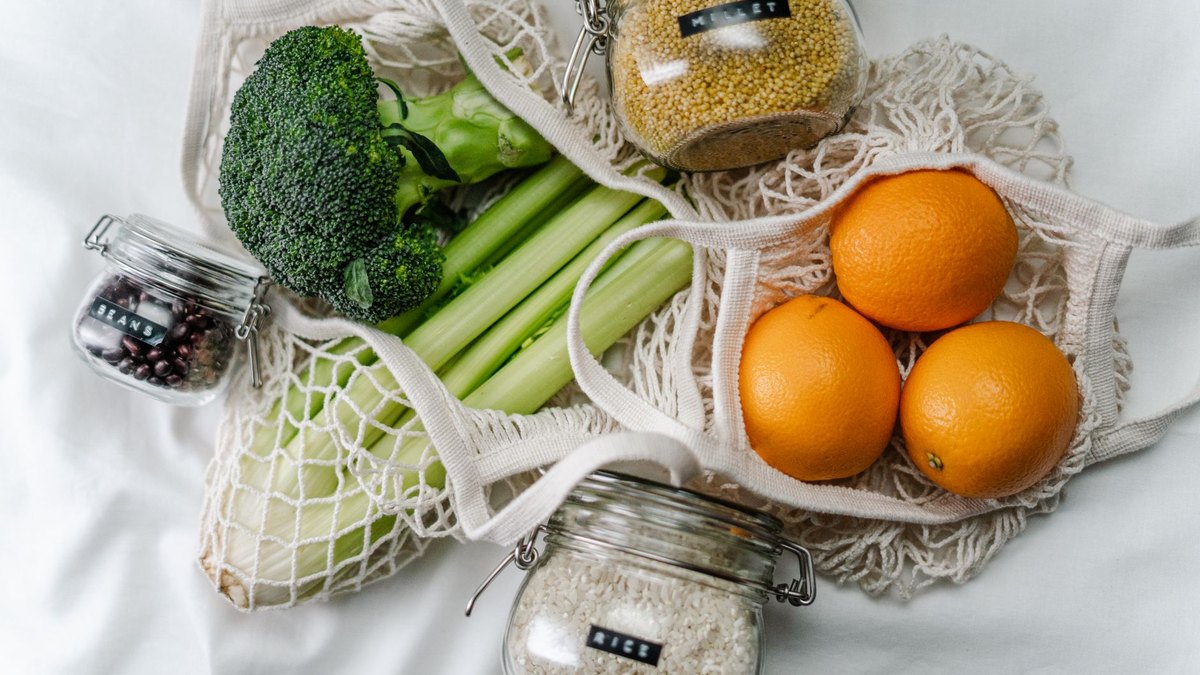
Some of the healthiest foods are also the cheapest, especially bought in larger quantities. Dried beans, lentils, rice, oats, and frozen vegetables are nutritious, filling, and last a long time. Building meals around these affordable staples stretches your budget dramatically. They store well, so you avoid waste, and they form a reliable base you can dress up with smaller amounts of fresh ingredients.
Cook at Home
Eating out and ordering in cost far more than cooking, and you control exactly what goes into your food when you make it yourself. You don't need to be a skilled cook — a handful of simple, repeatable meals is enough. The savings from cooking most of your meals are significant over a month, and home-cooked food is almost always healthier than takeout. This one habit does the heavy lifting.
Don't Fear Frozen and Canned
Fresh produce is great but spoils fast and often costs more. Frozen fruits and vegetables are picked and frozen at peak ripeness, keeping most of their nutrition while lasting for months. Canned beans, fish, and tomatoes are cheap, convenient, and healthy. Keeping a stock of these means you always have nutritious ingredients on hand, and you waste far less because they don't go bad in a few days.
Choose Cheaper Proteins
Protein is often the most expensive part of a meal, but you have affordable options. Eggs, beans, lentils, canned fish, and tofu deliver quality protein for a fraction of the cost of premium cuts of meat. Using these regularly, and treating pricier meat as an occasional ingredient rather than the center of every meal, keeps your nutrition high and your spending low without feeling deprived.
Minimize Food Waste
Throwing away food is throwing away money. Store food properly so it lasts, use up what you have before buying more, and turn leftovers into new meals. Cooking a little extra on purpose gives you lunch the next day. Being mindful about waste can meaningfully cut your grocery costs, because the cheapest food of all is the food you already bought and actually eat instead of tossing.
The Takeaway
Eating healthy on a budget comes down to planning ahead, building meals around cheap nutritious staples, cooking at home, and wasting as little as possible. Frozen and canned foods and affordable proteins let you eat well without premium prices. You don't need expensive superfoods to be healthy — you need smart habits. Start by planning one week of simple meals, and you'll likely eat better and spend less at the same time.


Be the first to share a thought.