Osteoporosis is often described as a disease of old age. That is where it becomes visible, but it is not where it is decided.
Bone is living tissue, constantly demolished and rebuilt. Bone mass rises through childhood and adolescence, peaks somewhere in the late twenties, and then declines slowly for the rest of life. Whether you develop osteoporosis at 75 depends heavily on how high that peak was and how fast the decline went — decisions that were being made forty years earlier.
The condition itself is silent. There is no ache, no warning, no symptom at all until a bone breaks.
What is actually happening
Two cell types run a continuous renovation project. Osteoclasts dissolve old bone; osteoblasts build new bone in its place. In a healthy young adult these roughly balance, and your skeleton is substantially replaced every decade.
With ageing, and particularly with the fall in oestrogen at menopause, demolition begins to outpace construction. The internal architecture of bone — a lattice of struts called trabeculae — thins and loses connections. The bone keeps its external shape but becomes structurally weaker, like a scaffold with rungs removed.
Osteopenia is the intermediate stage: bone density below normal but not yet in the osteoporosis range.
Why it matters more than it sounds
A fracture in a fragile skeleton is not the same event as a fracture in a strong one.
Hip fractures are the serious case. Roughly one in five older adults dies within a year of a hip fracture, and a large proportion of survivors never regain their previous independence. The fracture itself is rarely the direct cause; immobility, pneumonia, blood clots and the loss of function are.
Vertebral fractures are more common and easier to miss. Many happen without a fall at all — a compression fracture from bending or lifting. They cause the loss of height and forward curvature of the spine associated with age, and they can occur silently. Losing more than about four centimetres of height in adulthood is a genuine clinical signal.
The other key fact: a first fragility fracture roughly doubles the risk of a second. Any fracture from a fall from standing height in someone over 50 should prompt an assessment, and frequently does not.
Risk factors
Not modifiable:
- Age
- Female sex — women have lower peak bone mass and lose bone rapidly after menopause
- Family history, especially a parent with a hip fracture
- Being of smaller build
- Ethnicity, with somewhat higher rates in people of European and Asian descent
Modifiable, and this is the useful list:
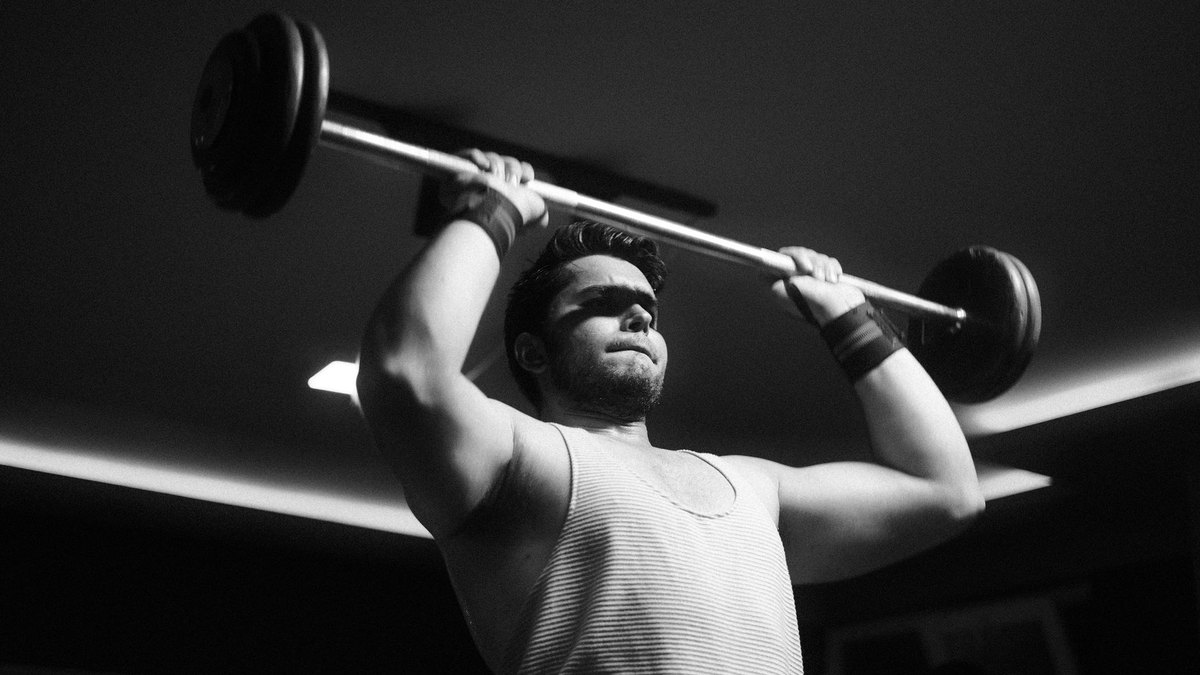
- Physical inactivity, particularly a lack of loading exercise
- Low calcium and vitamin D intake
- Smoking — directly toxic to bone-building cells
- Heavy alcohol use
- Being underweight; very low body weight is a substantial risk
- Eating disorders and prolonged low energy availability in athletes
- Long-term corticosteroid use, one of the most significant medical causes
- Certain other medications, including some acid-reducing drugs, some diabetes drugs and some cancer treatments
- Untreated coeliac disease and other absorption disorders
- Early menopause or surgical removal of the ovaries
- Low testosterone in men — men account for around a third of hip fractures and are diagnosed far less often
What actually works
Loading the skeleton. This is the strongest lever available. Bone responds to mechanical stress by building — a principle known as Wolff's law. The stimulus needs to be meaningful: swimming and cycling, excellent as they are for the heart, do little for bone because the skeleton is unloaded.
What works:
- Resistance training, progressively loaded. This is the single most effective intervention, and the evidence for relatively heavy training in older adults is stronger than most people assume — supervised programmes have been shown to be safe and effective in postmenopausal women with low bone density.
- Impact activity: jumping, hopping, running, dancing, stair climbing. Short bursts, done regularly, appear more effective than long steady sessions.
- Balance training. This does not build bone, but it prevents the falls that turn fragile bone into a fracture. Tai chi has good evidence here.
Calcium. Roughly 1,000 to 1,200 mg per day for adults, more after menopause. Food sources are preferable: dairy, fortified plant milks, tinned fish with bones, tofu set with calcium, leafy greens, almonds. Supplements are for filling a gap, not a default — very high supplemental doses have not shown clear fracture benefit and carry some cardiovascular debate.
Vitamin D. Required to absorb calcium at all. Deficiency is widespread, including in sunny countries where sun avoidance is common. Supplementation is the reliable route for those who are deficient; testing is straightforward.
Protein. Underrated in this context. Bone is roughly half protein by volume, and adequate intake supports both bone and the muscle that protects it. Older adults generally need more protein per kilogram of body weight than younger ones, not less.
Stopping smoking and moderating alcohol. Both produce measurable benefit.
Testing
Bone density is measured by DEXA scan, a quick, low-radiation X-ray, usually of the hip and spine. Results are given as a T-score comparing you to a healthy young adult: above minus 1 is normal, minus 1 to minus 2.5 is osteopenia, minus 2.5 or below is osteoporosis.
Screening is generally recommended for women from around 65 and men from around 70, earlier for anyone with significant risk factors, a fragility fracture, long-term steroid use or early menopause.
Fracture risk calculators such as FRAX combine density with other risk factors to estimate ten-year probability, which is often more clinically useful than the density number alone.
Medication
When risk is high enough, drug treatment substantially reduces fractures. Bisphosphonates are the usual first line and cut vertebral fracture risk considerably. Other options include denosumab, and anabolic agents that actively build bone for people at very high risk.
The rare side effects of these drugs receive far more public attention than their benefits, which has led to significant undertreatment after fractures. For someone who has already broken a bone from a minor fall, the arithmetic is usually not close.
The short version
Bone loss is silent, gradual, and largely preventable. Build peak bone mass early with loading exercise and adequate calcium, protein and vitamin D. Keep lifting and keep landing as you age. If you are over 50 and break a bone in a fall from standing height, ask for a bone density assessment — that fracture is information, and acting on it is the clearest opportunity to prevent the next one.
Be the first to share a thought.