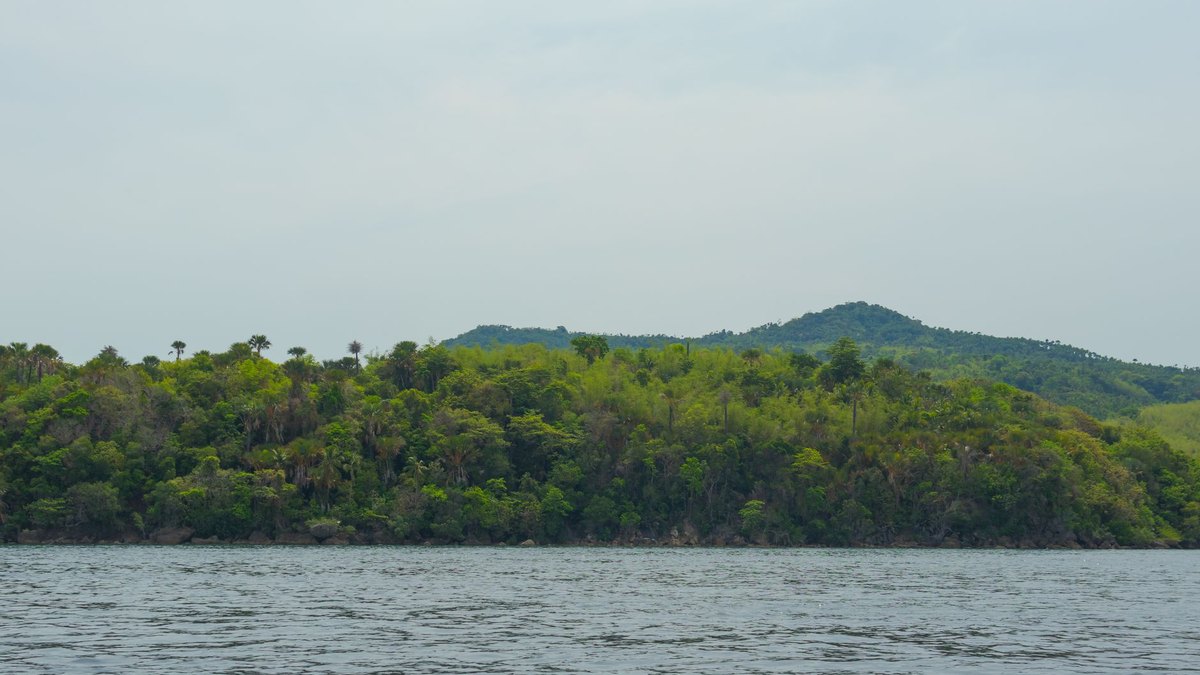
Off the coast of Nova Scotia, Canada, sits a small, unremarkable patch of land called Oak Island. For over two centuries, it has drawn treasure hunters, fortune-seekers, and even future presidents, all obsessed with a single mysterious hole in the ground. Millions of dollars have been spent. Several people have died. And to this day, no one has recovered any confirmed treasure — or even proven for certain that there is any. This is the enduring riddle of the Oak Island Money Pit.
A Strange Discovery
The legend begins, according to the traditional account, in the late 1700s, when a young man supposedly noticed an odd circular depression in the ground beneath an old tree, with signs that the earth had once been dug and refilled. Curious, he and some friends began to dig.
What they reportedly found was bizarre. Every ten feet or so, they struck a platform of oak logs, as if someone had deliberately built layers into the shaft. The deeper they went, the more elaborate it became. This wasn't a natural hole. Someone had gone to enormous effort to bury something — and to make sure it stayed buried.
The Pit Fights Back
As diggers over the following decades pushed deeper, the Money Pit seemed almost designed to defeat them. According to the lore, they encountered layers of not just oak but charcoal, putty, and fibrous material. Then they hit the pit's most infamous defense: water.
At a certain depth, the shaft flooded and refused to stay dry, no matter how hard anyone pumped. Later investigators came to believe the pit was connected by hidden channels to the surrounding ocean — a booby trap, some argued, engineered so that digging too deep would trigger a flood and seal the treasure away. Whether an ingenious ancient trap or simply natural geology, the water has thwarted every serious attempt to reach the bottom.
Who Built It, and Why?
The theories about what lies below — and who put it there — are endless. Some believe it holds pirate treasure, perhaps the fabled hoard of a famous buccaneer. Others suggest lost crown jewels, priceless historical manuscripts, or the wealth of religious orders spirited across the ocean. Wilder ideas invoke the Knights Templar and secret societies.
Skeptics offer a more sober possibility: that there may be no treasure at all. The "pit," they argue, could be a natural sinkhole in the island's soft limestone, with the layers and flooding explained by geology rather than genius. In this view, two centuries of treasure hunters have been chasing a hole that nature dug on its own.
The Cost of the Curse
What isn't in doubt is the human toll. Over the years, the search has consumed staggering sums of money and, tragically, at least a handful of lives lost in accidents during excavation. According to local legend, the treasure will only be found after a certain number of people have died searching for it — a grim story that has done nothing to dampen the island's pull.
The Takeaway
The Oak Island Money Pit endures not because anyone has found treasure, but precisely because no one has. It sits in the tantalizing gap between "something extraordinary is buried here" and "there was never anything at all." After more than 200 years of digging, the island keeps its secret — and that unresolved mystery, more than any gold, is what keeps drawing people back to keep digging.





Be the first to share a thought.