
In a cathedral in Turin, Italy, lies one of the most studied and debated objects in the world: a long strip of ancient linen bearing the faint, ghostly image of a man. To many, the Shroud of Turin is a sacred relic; to others, a clever medieval creation. Despite decades of intense scientific scrutiny, exactly how the image was formed remains surprisingly difficult to explain — making the shroud one of history's most persistent mysteries.
What the Shroud Shows
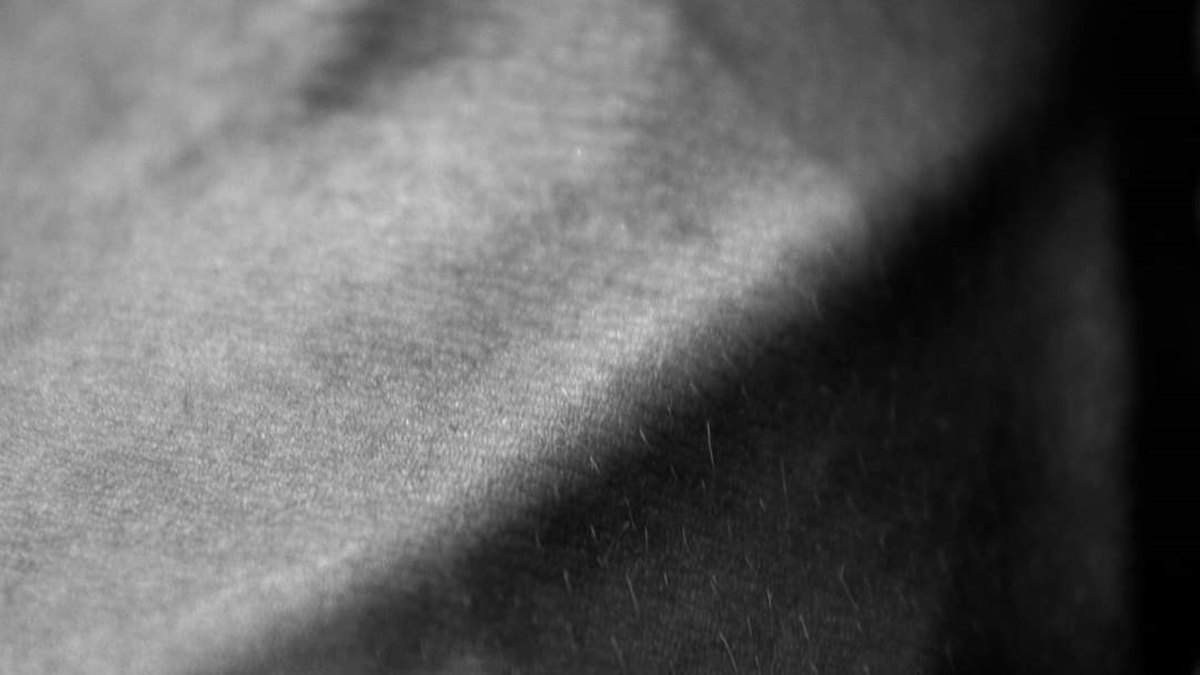
The cloth bears the faint, full-length image of a man, seen from both front and back, as if he had been laid upon one half and covered with the other. The figure appears to show wounds and marks consistent with severe injury. The image is subtle — more visible from a distance than up close — and its details became even more striking when photographed, revealing features not easily seen by the naked eye. For believers, the figure matches the traditional account of the crucifixion, which is central to the shroud's fame.
The Great Dating Debate
One of the biggest controversies surrounds the cloth's age. Scientific testing conducted decades ago suggested the linen dated to the medieval period, which would mean it could not be as ancient as tradition claims. This seemed, to many, to settle the matter. However, critics have challenged those results, arguing that the samples tested may have been contaminated or taken from a repaired section of the cloth rather than the original. The dating question, far from closed, remains fiercely debated.
The Real Puzzle: How Was the Image Made?
Setting aside questions of age and identity, the deepest mystery is simpler and stranger: how was the image actually created? The marking is extraordinarily faint and sits only on the very surface fibers of the cloth, without soaking through like paint or dye. It shows no clear brushstrokes. Researchers have proposed many theories — that it was painted, scorched, produced by chemical reactions, or formed by some process we don't understand. Yet no one has been able to fully reproduce all its peculiar properties using methods available in the past, which is what keeps the mystery alive.
Faith and Science, Side by Side
The Shroud of Turin sits at a fascinating intersection of faith and science. For religious believers, it is a profound object of devotion, regardless of what laboratories conclude. For scientists, it's a genuine puzzle — an artifact whose creation resists easy explanation. Importantly, the two questions are separate: whether the shroud is authentic in a religious sense is a matter of faith, while how the image was physically produced is a scientific question that remains open.
Why It Endures
Few objects have been examined so intensely yet remain so unresolved. Every study seems to answer one question while raising others. This combination of deep meaning, tantalizing evidence, and stubborn ambiguity is exactly why the shroud continues to draw researchers, believers, and skeptics alike. It refuses to be neatly filed away as either proven fraud or confirmed miracle.
The Takeaway
The Shroud of Turin is a rare mystery that has survived the full force of modern investigation without surrendering its secrets. Whether one sees it as a sacred relic or a remarkable artifact, the honest truth is that key questions about it — especially how its haunting image was formed — remain genuinely unsettled. In an age when so much can be explained, the quiet linen cloth of Turin endures as a reminder that some mysteries still resist our certainty.




Be the first to share a thought.