Somewhere between Florida, Bermuda, and Puerto Rico lies a stretch of ocean with a fearsome reputation. For decades, the Bermuda Triangle has been blamed for mysteriously swallowing ships and aircraft, sometimes without a trace of wreckage. Tales of vanishing planes, ghost ships, and failing instruments have made it one of the most famous mysteries in the world. But what's really going on out there? The answer is a fascinating tangle of genuine incidents, human imagination, and natural explanations.
The Legend Takes Shape
The Bermuda Triangle isn't an official region marked on nautical charts — it's a loosely defined triangle of the Atlantic that gained fame through popular stories and books in the twentieth century. Writers collected accounts of ships and planes that had disappeared in the area and wove them into a narrative of a single, deadly zone where the normal rules seemed not to apply. The idea captured the public imagination and never let go.
The Famous Disappearances
Several dramatic incidents fueled the legend. The most famous involves a group of military planes that vanished during a training flight, followed by a rescue aircraft that also disappeared while searching for them. Various ships, too, were reported lost in the region, sometimes found abandoned, sometimes never found at all. These stories, retold and embellished over the years, cemented the Triangle's sinister image.
The Wild Theories
As the legend grew, so did the explanations, ranging from the scientific to the fantastical. Some blamed the lost city of Atlantis, imagined beneath the waves and interfering with ships. Others suggested alien abductions, mysterious portals, or strange time distortions. A more scientific-sounding idea proposed sudden releases of methane gas from the seafloor, which could theoretically reduce the water's density and sink a ship — though evidence for this happening on demand is thin.
The Down-to-Earth Reality
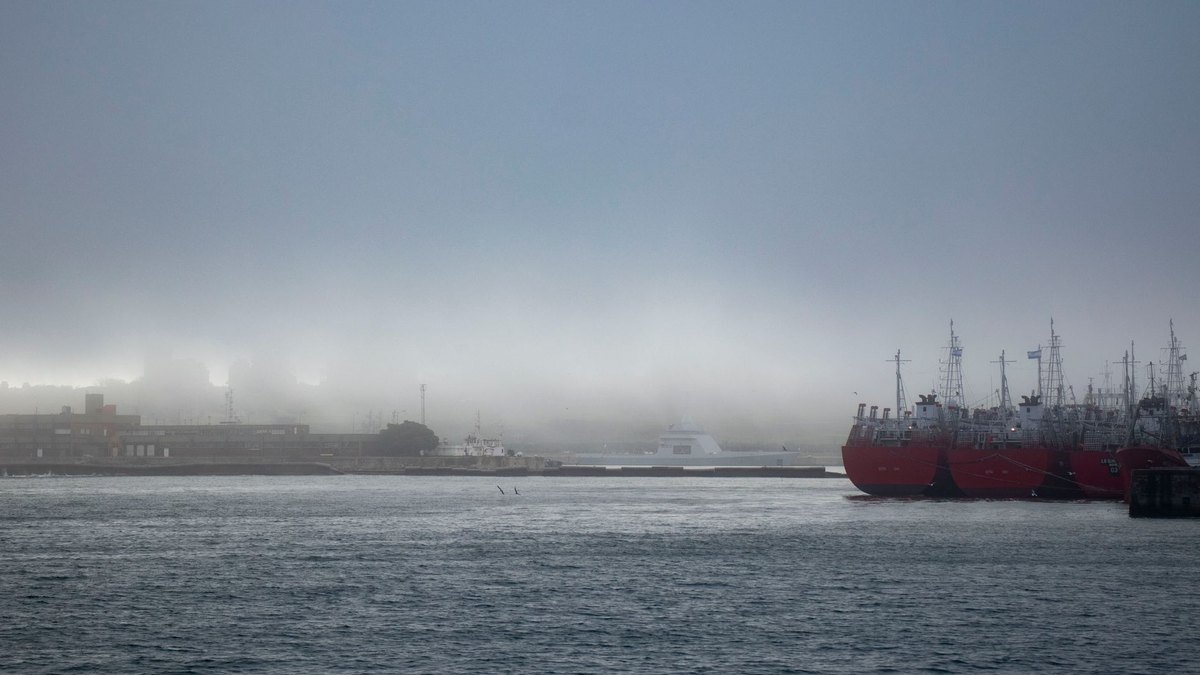
Here's the part that often surprises people: statistically, the Bermuda Triangle may not be unusually dangerous at all. It's one of the busiest stretches of ocean in the world, heavily traveled by ships and aircraft, so accidents are bound to occur there simply because of the sheer volume of traffic. Investigations have found that the number of incidents isn't remarkably higher than in other equally busy areas.
Natural conditions explain much of the rest. The region experiences sudden, violent storms, powerful ocean currents like the Gulf Stream that can quickly scatter or sweep away wreckage, and deep waters that hide sunken vessels. Human error and mechanical failure, the ordinary causes of most accidents, account for the rest. Many "mysterious" cases turn out to have been exaggerated or had reasonable explanations all along.
Why the Myth Endures
If the evidence is so ordinary, why does the legend survive? Because a good mystery is irresistible. The idea of a zone where ships and planes simply vanish taps into our love of the unknown and our fascination with the vast, indifferent power of the sea. The Bermuda Triangle endures not because the ocean there is uniquely cursed, but because the story is uniquely compelling.
The Takeaway
The Bermuda Triangle is a mystery of a different kind — not an unsolved puzzle of nature, but a lesson in how legends are made. Real disappearances, an enormous volume of traffic, treacherous weather, and the human hunger for the extraordinary combined into a myth that outgrew the facts. Whether you see it as a genuine enigma or a triumph of storytelling, the Triangle reminds us that sometimes the most fascinating mystery is why we're so eager to believe in one.





Be the first to share a thought.