Imagine waking up in June to find snow on the ground. Frost killing your crops in July. A summer that never arrives, replaced by cold, gloom, and failing harvests. This isn't fiction — it happened across much of the Northern Hemisphere in 1816, a year so strange it earned a grim nickname: the Year Without a Summer. And the cause lay half a world away, in a mountain that had blown itself apart the year before.
The Volcano Behind It All
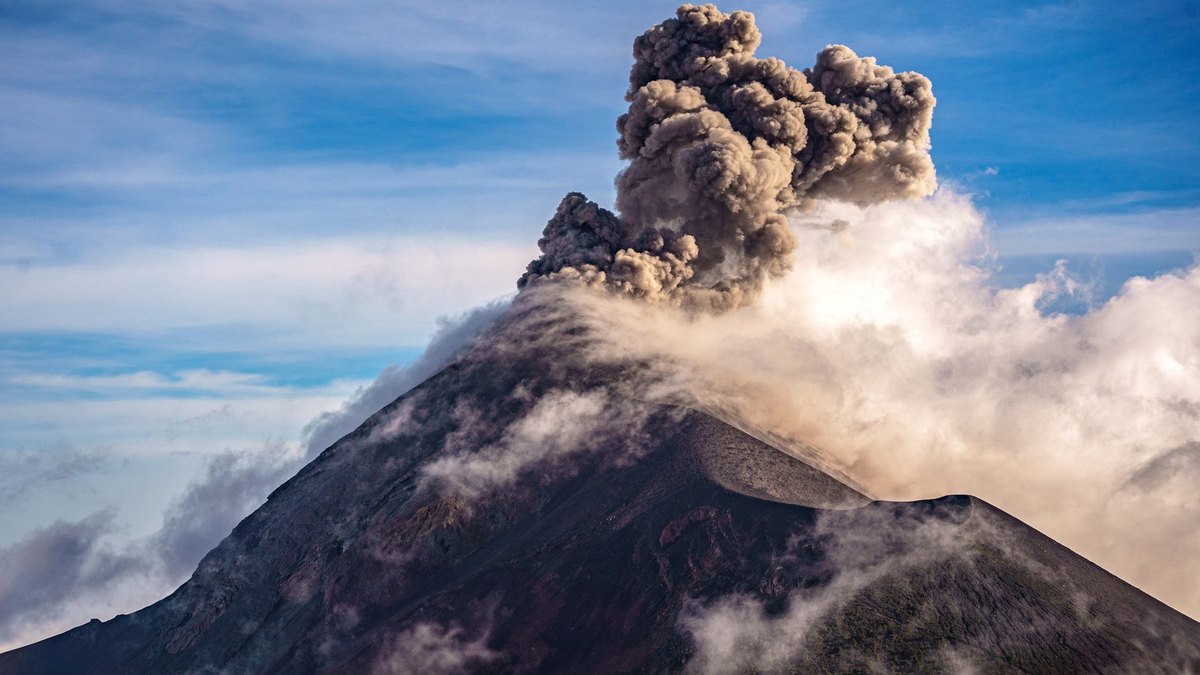
In April 1815, Mount Tambora, on an island in what is now Indonesia, erupted in one of the most powerful volcanic explosions in recorded human history. The blast was catastrophic on its own, devastating the surrounding region. But its most far-reaching effect was invisible: it hurled an immense quantity of ash and gas high into the atmosphere.
That material, particularly a haze of fine sulfur particles, rose into the stratosphere and spread around the entire globe. There, it formed a veil that reflected a portion of the sun's light back into space before it could reach the ground. The result was a planet slightly but significantly cooler — enough to throw the following year's weather into chaos.
A Summer That Never Came
By 1816, the effects had settled over the Northern Hemisphere. In parts of North America, snow fell in June and killing frosts struck through the summer months, destroying crops that had just been planted. In Europe, the season was cold, dark, and relentlessly wet. The sun often appeared dimmed, and vivid, unsettling sunsets — tinted by the atmospheric haze — colored the skies.
For societies almost entirely dependent on each year's harvest, the consequences were severe. Crops failed across a wide swath of the globe. Food prices soared, and famine and hardship spread through many regions. Livestock died for lack of feed. It was, for millions of people, a year of genuine desperation caused by a disaster most of them never knew had occurred.
Ripples Through History
The Year Without a Summer left marks that outlasted the cold. The widespread crop failures and hunger contributed to waves of migration, as people abandoned failing farms in search of better land. Historians have linked the disruption to a range of social and economic upheavals in the years that followed.
It even shaped culture. Trapped indoors by the dismal, storm-lashed weather during a stay near a lake in Europe, a small group of writers passed the time by challenging one another to compose frightening tales. From that gloomy, volcano-darkened summer came the seeds of one of the most famous horror novels ever written — a lasting piece of art born from a global catastrophe.
A Lesson in Connection
What makes 1816 so striking is how it reveals the hidden connectedness of the world. A single mountain exploding in Southeast Asia reached across oceans to freeze crops in New England and darken skies over Europe. People suffering through that bleak year had no way of knowing that their misery traced back to a volcano they had never heard of, thousands of miles away.
The Takeaway
The Year Without a Summer stands as one of history's clearest demonstrations that our planet is a single, interconnected system. One violent eruption altered the climate of the entire hemisphere for a year, toppling harvests, driving migrations, and even inspiring literature. It's a humbling reminder that the ground beneath us and the sky above are more powerful than any human plan — and that sometimes the largest events in our lives begin somewhere we've never looked.





Be the first to share a thought.