
Our Sun will not explode. It won't collapse into a black hole. Instead, billions of years from now, it will end its life quietly, leaving behind one of the strangest objects in the universe: a white dwarf — a dead star's core, no bigger than Earth yet nearly as massive as the Sun, slowly fading in the dark. This is the fate awaiting most stars, including our own.
The Death of an Ordinary Star
Stars shine by fusing hydrogen into helium in their cores, a process that pushes outward against the crush of their own gravity. But this fuel doesn't last forever. When a Sun-like star runs low, it swells into a red giant, shedding its outer layers into space in a beautiful expanding shell of gas. What remains is the exposed core — dense, hot, and no longer able to fuse elements. That core is the white dwarf.
Astonishingly Dense
A white dwarf packs roughly the mass of the Sun into a ball about the size of Earth. That means the material is crushed to an almost unimaginable density — a single spoonful of white dwarf matter would weigh many tons. What stops it from collapsing further isn't fusion, but a strange quantum rule that prevents its particles from being squeezed any tighter. This quiet quantum pressure is the only thing holding the dead star up against its own gravity.
A Glow That Slowly Dies
A newly formed white dwarf is incredibly hot, glowing white from the leftover heat of its former life. But with no fuel to burn, it can only cool. Over billions upon billions of years, it radiates its warmth into space, fading from white to yellow to red, and eventually — in theory — to a cold, dark cinder called a black dwarf.
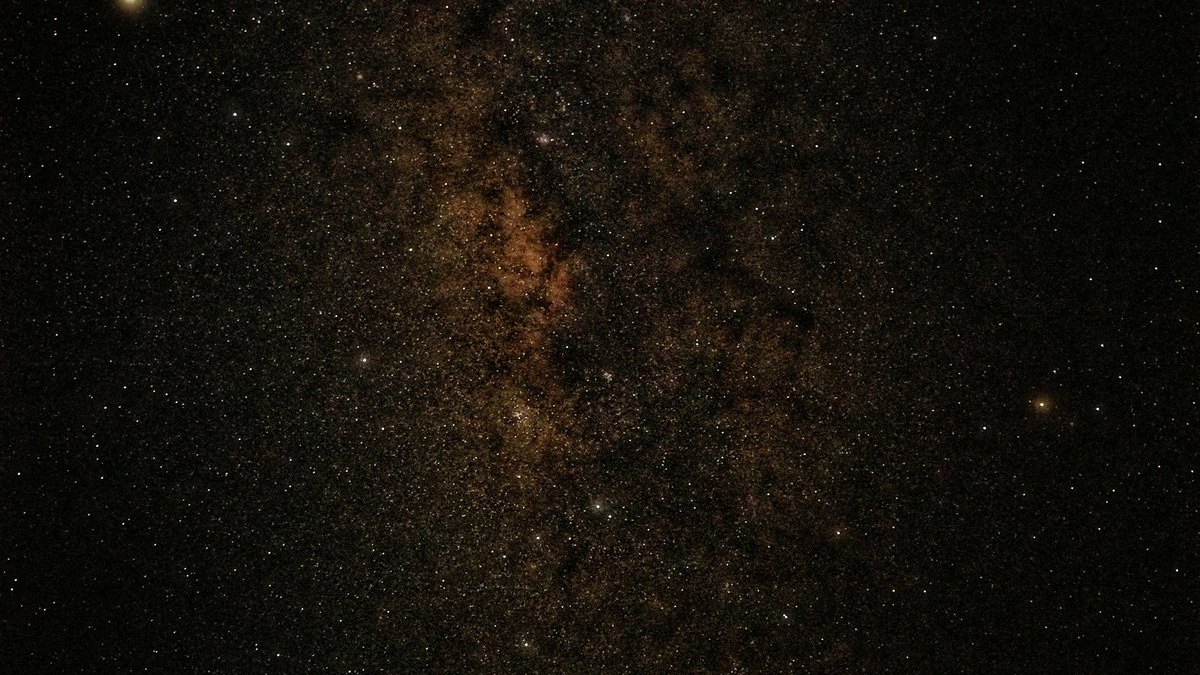
Here's the remarkable part: the universe isn't old enough yet for any white dwarf to have fully cooled. Every white dwarf that has ever formed is still glowing, however faintly. Black dwarfs are purely a prediction of the far future.
The Sun's Distant Destiny
Our own Sun will follow this path. In several billion years, it will expand into a red giant, likely swallowing the innermost planets, then blow off its outer layers and settle into a white dwarf about the size of Earth. It will sit at the center of our dead solar system, cooling silently for longer than the current age of the universe.
Windows Into the Past and Future
White dwarfs are more than cosmic tombstones. Because they cool at a predictable rate, astronomers use the dimmest, coolest ones as clocks to estimate the age of star clusters and even the galaxy. In a sense, these fading embers are timekeepers, recording how long ago their stars died.
The Takeaway
White dwarfs are the quiet endings of ordinary stars — not violent explosions, but slow fades into the dark. They are objects of beautiful contradiction: Earth-sized yet star-heavy, blazing hot yet doomed to cool, dead yet still glowing. And one of them is our Sun's future self, a small, dense ember that will outlast almost everything else, marking the place where a star once shone for billions of years.



Be the first to share a thought.