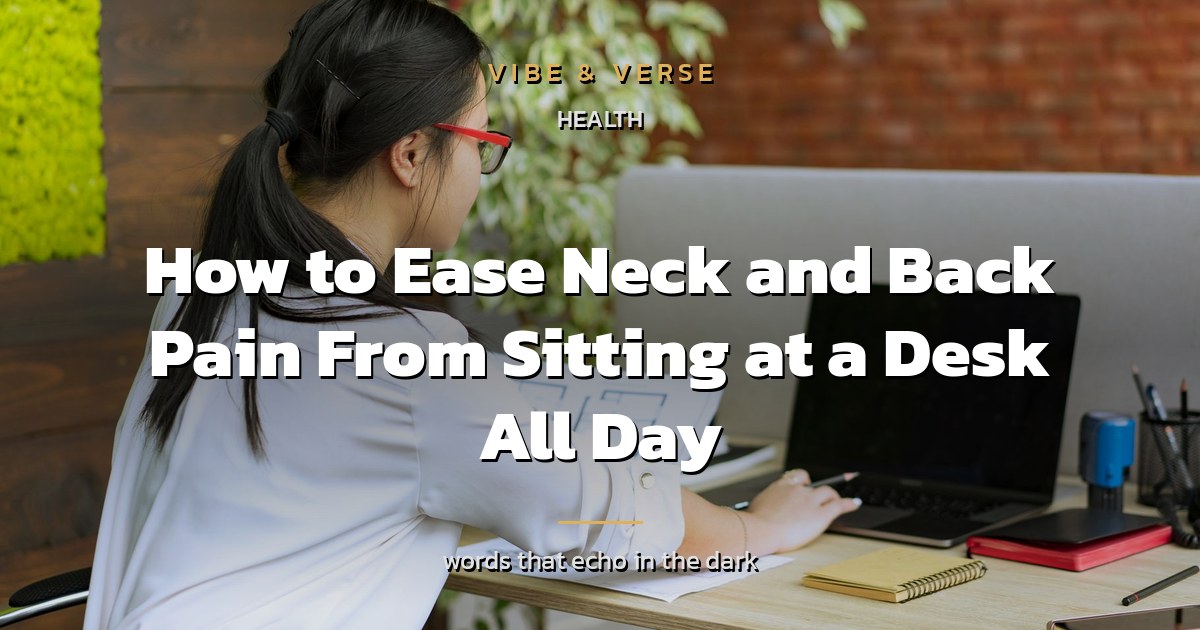
If your neck aches, your shoulders feel tight, and your lower back complains by the end of the workday, you're far from alone. Modern life has us sitting for hours — hunched over laptops, phones, and desks — and our bodies simply weren't built for it. The good news is that most desk-related aches can be eased and prevented with a few simple changes. Here's why sitting hurts and what you can actually do about it.
Why Sitting Hurts So Much
Our bodies are designed to move, not to hold one position for hours. When we sit for long stretches, certain muscles stay tense while others weaken, and poor posture puts extra strain on the neck and spine. Leaning toward a screen or looking down at a phone multiplies the load on your neck dramatically. Over time, this steady strain turns into the stiffness, aches, and pain so many desk workers know well.
Fix Your Sitting Posture
Good posture takes pressure off your muscles and joints. Aim to sit with your back supported, shoulders relaxed rather than hunched, and feet flat on the floor. Your screen should be roughly at eye level so you're not constantly looking down, and your elbows should rest comfortably at your sides. You don't need perfect, rigid posture — just avoid collapsing into a slouch for hours at a time.
Take Movement Breaks
Perhaps the single most important habit is simply to move more often. Sitting still for hours is the real culprit, so break it up. Every 30 to 60 minutes, stand up, walk around, or stretch for a moment. These small movements relieve built-up tension, get your blood flowing, and reset your posture. Setting a gentle reminder can help until the habit sticks.
Simple Stretches That Help
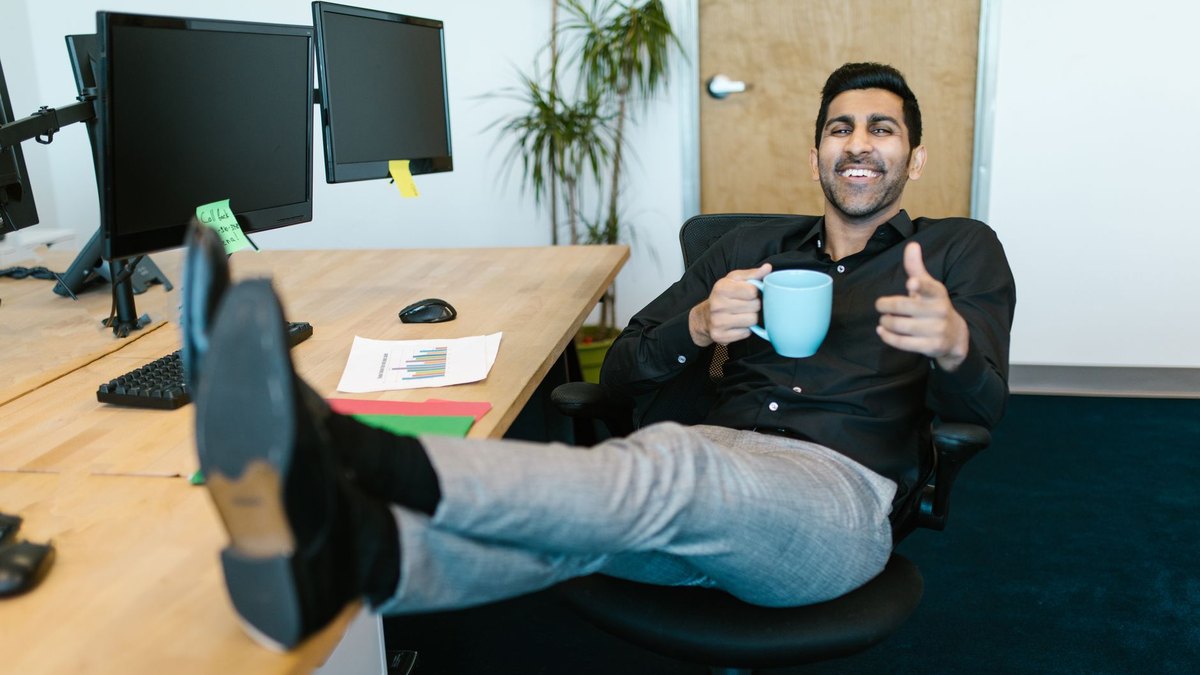
A few easy stretches can work wonders on desk tension. Gently rolling your shoulders, slowly tilting your neck from side to side, and stretching your chest by drawing your shoulders back all help counteract the hunched-forward position. Standing up and gently arching or twisting your back releases lower-back tightness. Done regularly throughout the day, these small stretches keep stiffness from building up.
Strengthen and Support Your Body
Weak core and back muscles make posture harder to maintain, so gentle regular exercise pays off. Activities that strengthen your core, back, and shoulders help support your spine through long days. Even a daily walk keeps your body mobile and resilient. A body that's a little stronger and more active handles the demands of desk work far better than one that only ever sits.
When to See a Professional
Most desk aches ease with better habits, but pain isn't always something to simply push through. If your pain is severe, persistent, spreads down your arms or legs, or comes with numbness or tingling, it's important to see a doctor or physical therapist. They can identify the cause and guide you safely. Listening to your body and seeking help when needed is part of taking care of it.
The Takeaway
Neck and back pain from desk work is incredibly common, but it's not something you simply have to accept. By improving your posture, taking regular movement breaks, stretching often, and keeping your body a little stronger, you can ease existing pain and prevent much of it from returning. This article is general wellness information, not medical advice — if pain is severe or ongoing, please consult a healthcare professional. But for everyday desk stiffness, a few small habits can make a genuinely big difference.





Be the first to share a thought.