Most of us spend our days hunched over screens, and our bodies pay for it. Poor posture isn't just about looking slumped — over time it contributes to back and neck pain, tension headaches, and even lower energy and mood. The encouraging part is that posture is largely a habit, and habits can be retrained. You don't need to force yourself rigidly upright; you need small, consistent adjustments. Here's how to improve your posture.
Why Posture Actually Matters
Good posture keeps your body aligned so muscles and joints share the load evenly. When you slouch for hours, certain muscles overwork while others weaken, leading to stiffness and pain. Beyond comfort, an upright posture supports better breathing and can even affect how alert and confident you feel. Fixing posture isn't vanity — it's about reducing daily strain on your body.
Set Up Your Workspace Right
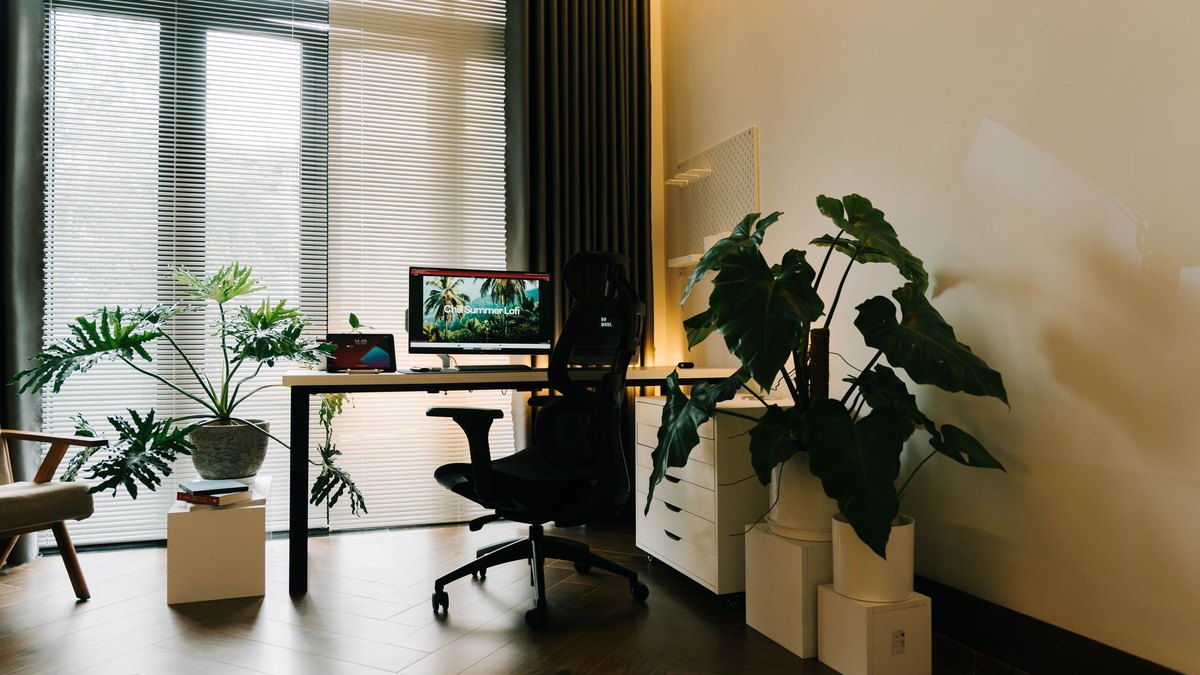
If you sit for work, your desk setup shapes your posture more than willpower ever will. Position your screen at eye level so you're not looking down, keep your feet flat on the floor, and support your lower back with your chair. Your elbows should rest at roughly a right angle. A good ergonomic setup makes sitting well the natural default instead of a constant effort.
Take Movement Breaks
No posture is good if you hold it for hours. The body isn't designed to stay still, so the best thing you can do is move regularly. Set a reminder to stand, stretch, or walk every thirty to sixty minutes. These micro-breaks reset your position, relieve built-up tension, and keep muscles from locking into a slouch. Movement, not stillness, is the real secret to a healthy back.
Strengthen Your Core and Back
Posture depends on the muscles that hold you up. A weak core and back make good posture exhausting to maintain, so you naturally slump. Simple strengthening — gentle core exercises, back extensions, and stretches for tight chest and hip muscles — builds the support your spine needs. Stronger postural muscles mean sitting and standing tall starts to feel effortless rather than forced.
Be Mindful, Not Rigid
Improving posture isn't about locking yourself into a stiff, military stance. That's tiring and unsustainable. Instead, build gentle awareness: notice when you've collapsed forward, then reset — shoulders back and down, head balanced over your spine. Checking in with your body a few times a day gradually rewires the habit. The goal is a relaxed, aligned posture you can actually keep.
Watch Your Phone Habits
"Text neck" is real. Constantly looking down at your phone bends your neck forward and strains it for hours a day. Try raising your phone closer to eye level instead of dropping your head. Being aware of this one habit can spare your neck a surprising amount of daily stress, especially given how many hours we spend on our devices.
The Takeaway
Better posture comes from better habits, not from forcing yourself upright and hoping it sticks. Set up your workspace to support you, move often, strengthen the muscles that hold you up, and stay gently aware of how you're sitting and standing. Improve your phone habits while you're at it. Small, consistent adjustments add up to less pain, more energy, and a body that carries itself with ease.




Be the first to share a thought.