Most people believe successful investing means buying at the perfect moment — getting in right before prices soar and out right before they crash. In reality, almost no one can do this consistently, not even the professionals. There's a far simpler, less stressful approach that quietly outperforms most attempts at market timing: dollar-cost averaging. It's boring, it's mechanical, and that's exactly why it works.
What Dollar-Cost Averaging Is
Dollar-cost averaging means investing a fixed amount of money at regular intervals — say, the same sum every month — regardless of whether prices are up or down. Instead of trying to guess the best time to buy, you buy automatically and consistently. Over time, your steady contributions purchase more shares when prices are low and fewer when prices are high, without you having to make any decision at all.
How Volatility Becomes Your Friend
Here's the elegant part. Because you invest the same dollar amount each time, market dips actually work in your favor. When prices fall, your fixed contribution automatically buys more shares at the lower price. When prices rise, it buys fewer. The result is that your average cost per share tends to smooth out over time, and you naturally buy more of something when it's "on sale." What most investors fear — volatility — becomes a quiet advantage.
The Real Enemy: Emotion
The biggest threat to most investors isn't the market; it's their own emotions. When prices are soaring, greed tempts people to pour money in at the top. When prices crash, fear drives them to sell at the bottom — locking in losses at the worst possible moment. This "buy high, sell low" cycle, driven by emotion, quietly destroys returns.
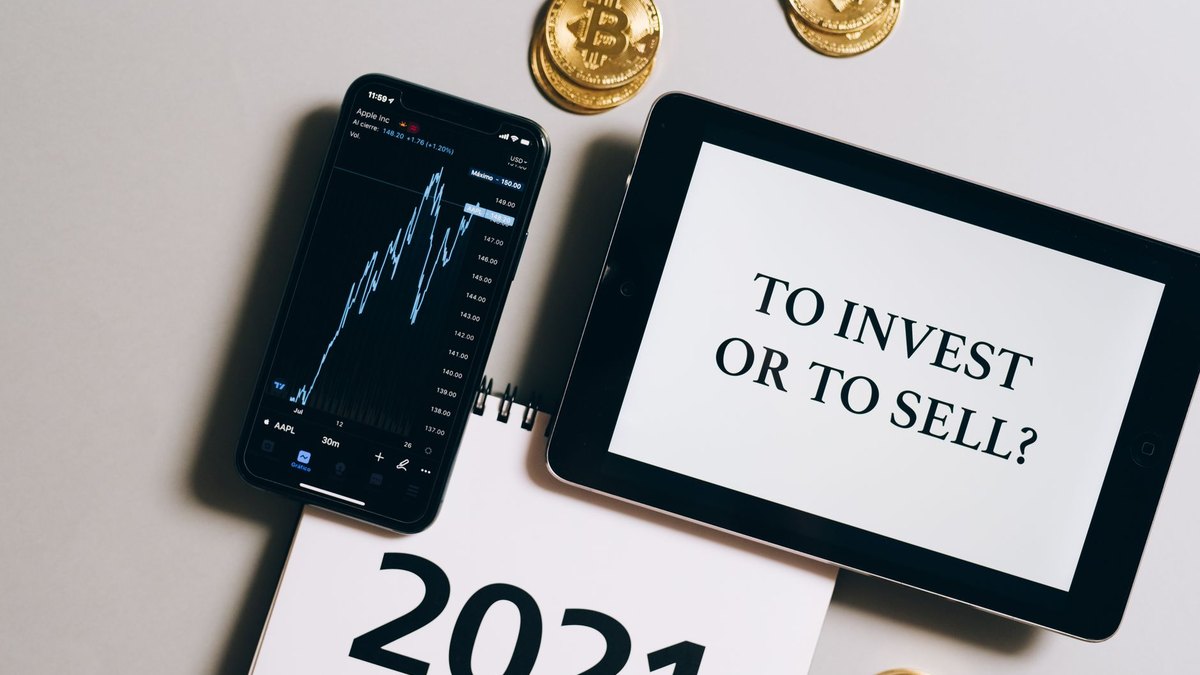
Dollar-cost averaging defuses this by removing the decision entirely. You invest on schedule, in good times and bad, so panic and euphoria never get to steer the wheel. The strategy's greatest strength isn't mathematical — it's psychological.
Why Timing the Market Rarely Works
To beat dollar-cost averaging by timing the market, you'd have to be right twice: once when you sell and once when you buy back in. Miss by a little, and you can lose more than you gain. Studies of investor behavior repeatedly show that those who jump in and out tend to underperform those who simply stayed invested. Some of the market's biggest gains happen in short, unpredictable bursts, and missing just a handful of those best days can gut long-term returns.
Putting It to Work
The beauty of dollar-cost averaging is its simplicity:
- **Automate it.** Set up automatic contributions so investing happens without willpower or timing decisions.
- **Stay consistent.** Keep investing through downturns — that's when your fixed contribution is doing its best work.
- **Ignore the noise.** The strategy only works if you let it run. Reacting to every headline defeats the purpose.
- **Think long-term.** Dollar-cost averaging rewards patience measured in years, not weeks.
The Takeaway
Dollar-cost averaging won't make you rich overnight, and it will never give you the thrill of calling the perfect trade. What it offers is something more valuable for most people: a calm, reliable way to build wealth without needing to predict the future or master your own emotions. In a world that glamorizes bold market bets, the quiet discipline of investing the same amount, month after month, remains one of the smartest and most human-proof strategies there is.


Be the first to share a thought.