You breathe roughly twenty thousand times a day without thinking about it. It's the only major body system that runs automatically but that you can also take over whenever you choose — and that dual nature makes it unusually useful. Breathing sits at the junction between your conscious mind and your autonomic nervous system, which is why deliberately changing how you breathe can change how your body feels within a minute or two.
The Nervous System Connection
Your autonomic nervous system has two broad modes. The sympathetic branch prepares you for action: heart rate up, muscles tense, attention narrowed. The parasympathetic branch handles rest, digestion, and recovery. You can't consciously order your heart to slow down — but you can change your breathing, and your breathing influences the balance between those two branches.
The key mechanism is the vagus nerve, which runs from the brainstem through the chest and abdomen. Slow breathing, and particularly a long exhale, increases vagal activity and nudges the body toward the recovery mode. This is why heart rate naturally rises slightly on the in-breath and falls on the out-breath, a pattern called respiratory sinus arrhythmia.
What Poor Breathing Looks Like
Many people, especially under chronic stress, breathe in a way that keeps the body slightly on alert without ever noticing it:
- **Chest breathing** — the shoulders rise and fall while the belly stays still
- **Mouth breathing** during rest, which bypasses the nose's filtering and humidifying role
- **Rapid, shallow breaths** at rest, well above the twelve-to-twenty-breaths-per-minute range typical of calm adults
- **Breath-holding while concentrating**, common while reading email or scrolling
None of these are catastrophic on their own, but sustained over years they keep the stress response gently switched on.
Techniques Worth Practising
### Diaphragmatic Breathing
Lie down or sit comfortably. Put one hand on your chest and one on your belly. Breathe in slowly through your nose and aim to make the lower hand rise while the upper hand stays relatively still. Exhale slowly. Practise for five minutes a day until it feels natural, then start noticing it during ordinary moments. This is the foundation for everything else.
### The Extended Exhale
Breathe in for a count of four, out for a count of six or eight. Because the exhale is where vagal activity increases, lengthening it is the single most reliable way to calm the body quickly. Two minutes is often enough to feel a shift.
### Box Breathing
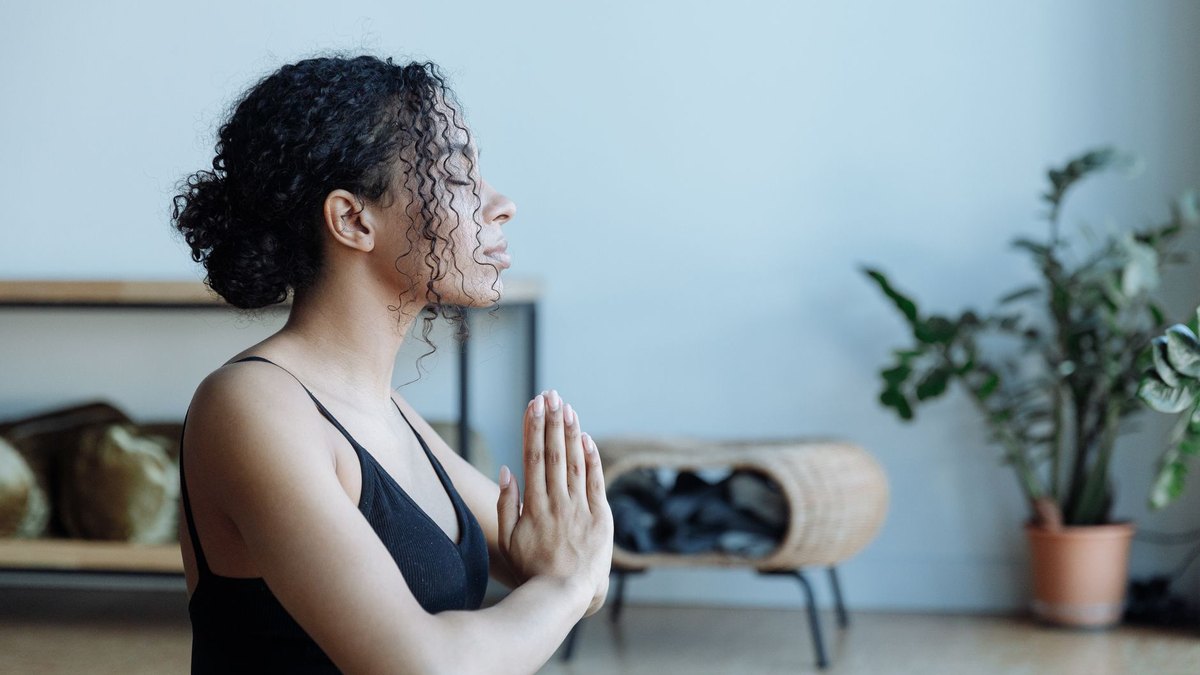
In for four, hold for four, out for four, hold for four. Used widely in high-pressure professions because it's easy to remember and gives the mind a simple structure to follow when it's racing.
### The Physiological Sigh
Take a normal breath in through the nose, then add a second short sip of air on top, then let it out slowly through the mouth. This double inhale reinflates collapsed air sacs in the lungs and appears to reduce arousal faster than most other patterns. It's the pattern your body already performs spontaneously when you sob or when you sigh with relief. One to three rounds is usually enough.
### Nasal Breathing by Default
Breathing through the nose filters and warms air, and produces nitric oxide which supports blood vessel function. Making nasal breathing your resting default — during walks, light exercise, and sleep — is a small habit with wide effects.
What Breathing Practice Can and Can't Do
Slow breathing has good evidence for reducing acute anxiety, lowering perceived stress, and improving sleep onset. It is genuinely useful and free. What it is not is a treatment for underlying medical conditions. Persistent breathlessness, chest tightness, or shortness of breath at rest are reasons to see a doctor, not to breathe more carefully. Some people with panic disorder also find breath-focus initially uncomfortable, which is normal and worth working through with support rather than pushing through alone.
Building the Habit
The trap with breathing exercises is remembering them exactly when you need them least. Attach practice to something you already do: two minutes of extended exhale before sleep, three physiological sighs before a difficult meeting, one minute of diaphragmatic breathing every time you sit down at your desk. The point is to build the pattern while calm so it's available when you're not.
The Bottom Line
You will breathe twenty thousand times today regardless. Taking conscious control of even a few dozen of those breaths gives you a direct, immediate handle on your own physiology — no equipment, no cost, and nobody around you needs to know you're doing it. Of all the health habits available, few offer that combination.
*This article is general information, not medical advice.*


Be the first to share a thought.