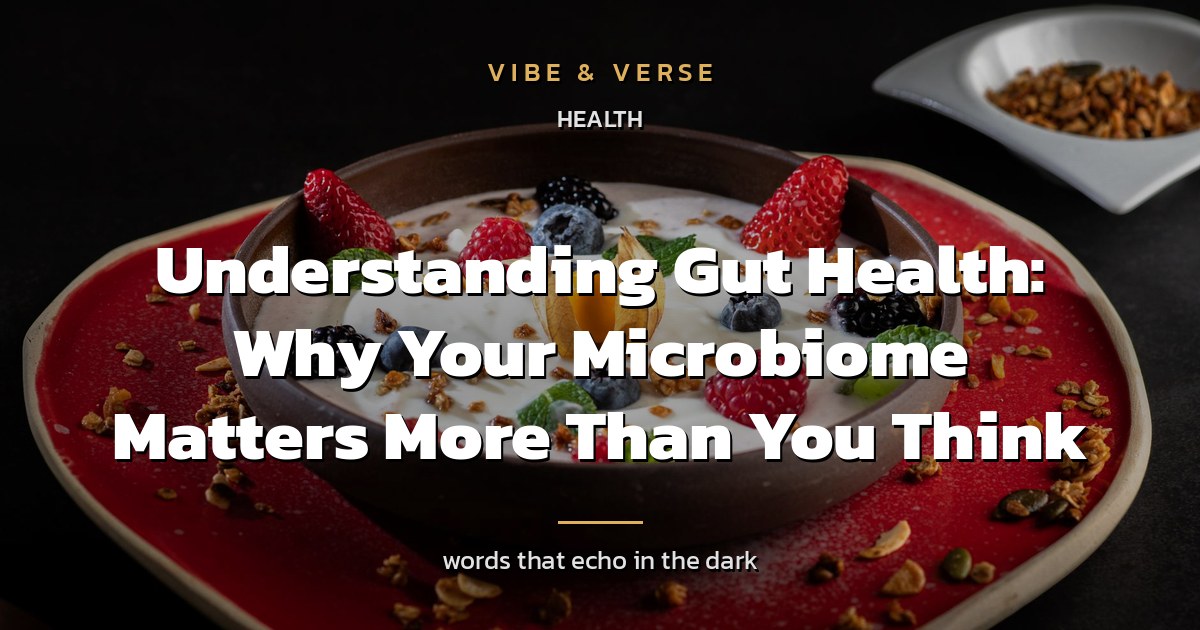
Inside your digestive system lives an invisible world: trillions of bacteria and other microbes collectively known as your gut microbiome. Far from being passive passengers, these organisms play a surprisingly powerful role in your health — affecting digestion, immunity, and even mood. Science is only beginning to grasp how important this inner ecosystem is. The good news is that everyday choices can nurture it. Here's why your gut health matters and how to support it.
What the Microbiome Actually Is
Your gut microbiome is the community of trillions of microorganisms living mainly in your intestines. Most of them are beneficial, helping break down food, produce certain vitamins, and keep harmful microbes in check. Everyone's microbiome is unique, shaped by genetics, diet, environment, and lifestyle. Think of it as a bustling internal garden — one that thrives or struggles depending on how you feed and care for it.
Digestion and Nutrient Absorption
One of the microbiome's core jobs is helping you digest food, especially fiber that your body can't break down on its own. As gut bacteria ferment fiber, they produce beneficial compounds that nourish the cells lining your intestines and support overall gut function. A healthy, diverse microbiome helps you get more from the food you eat and keeps your digestive system running smoothly.
The Gut and Your Immune System
A large portion of your immune system is located in and around your gut, and your microbiome helps train and regulate it. Beneficial bacteria compete with harmful invaders and help your immune system tell friend from foe. When your gut microbiome is balanced and diverse, it supports stronger, better-regulated immune defenses — one reason gut health is linked to overall resilience against illness.
The Gut-Brain Connection
Perhaps the most surprising discovery is how closely the gut and brain communicate. The gut produces many of the same chemical messengers used by the brain, and signals travel constantly between the two. Researchers are finding links between gut health and mood, stress, and mental wellbeing. While the science is still developing, it's increasingly clear that a healthy gut may play a role in a healthy mind.
Feeding Your Good Bacteria
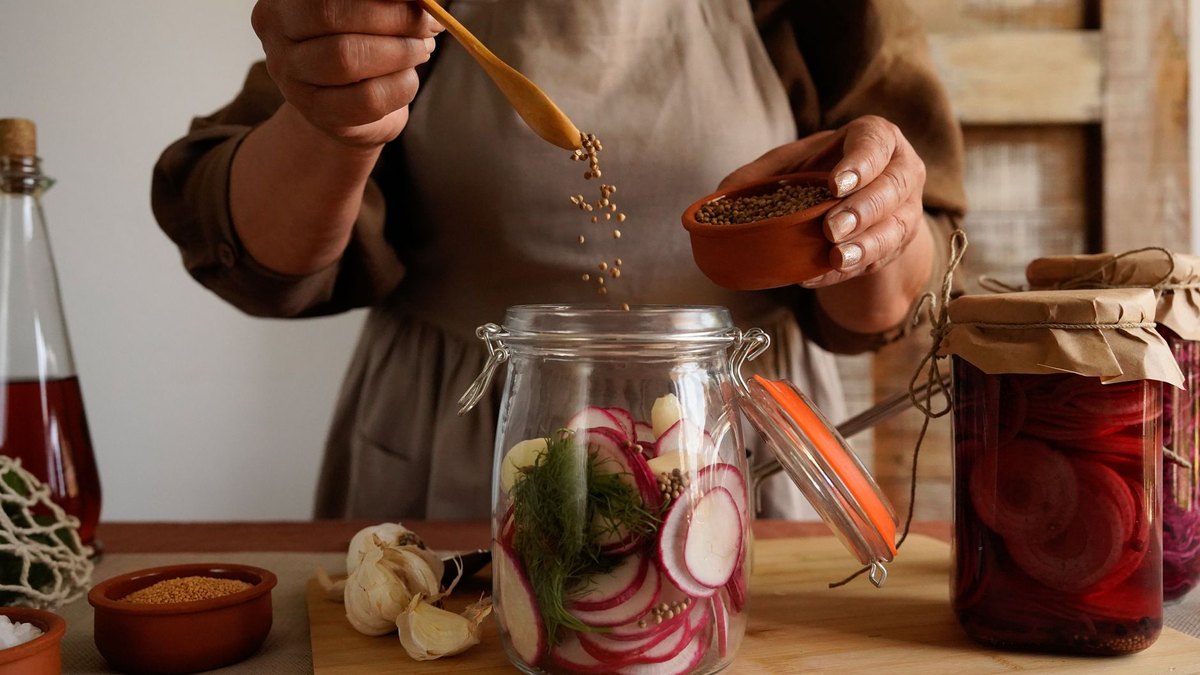
The single most powerful way to support your microbiome is through diet. A wide variety of plant foods — vegetables, fruits, whole grains, legumes, nuts, and seeds — provides the fiber that beneficial bacteria thrive on. Fermented foods like yogurt and other cultured products can also introduce helpful microbes. Diversity is key: the more varied your diet, the more diverse and resilient your microbiome tends to be.
Habits That Help or Harm
Beyond diet, other habits shape your gut. Chronic stress, poor sleep, and a diet heavy in ultra-processed foods can disrupt the balance of your microbiome. Unnecessary use of antibiotics can also wipe out beneficial bacteria. Supporting your gut means caring for your whole self — eating well, managing stress, sleeping enough, and being thoughtful about what you put into your body over the long term.
The Bottom Line
Your gut microbiome is a vast, living community that quietly shapes your digestion, immunity, and even your mood. Nurturing it doesn't require expensive supplements — just a varied, fiber-rich diet full of plants, some fermented foods, and healthy habits like good sleep and stress management. Care for the trillions of tiny allies inside you, and they'll help take care of you. A healthier gut is one of the most worthwhile investments you can make in your overall wellbeing.





Be the first to share a thought.