In the summer of 1997, sensitive underwater microphones scattered across the Pacific Ocean detected something strange: a powerful, ultra-low-frequency sound so loud it was picked up by sensors more than 5,000 kilometers apart. Scientists nicknamed it "the Bloop." Its sheer volume and mysterious origin sparked years of speculation, from undiscovered sea monsters to secret machines. The story of the Bloop is a fascinating look at how the deep ocean remains one of Earth's last great frontiers.
How the Bloop Was Detected
The sound was recorded by a network of underwater microphones originally set up to monitor for submarines and later used to study ocean sounds. What made the Bloop remarkable was its power — it was one of the loudest sounds ever recorded in the ocean, detected across an enormous distance. Its profile rose rapidly in frequency over about a minute, unlike most known underwater noises, which made it genuinely puzzling to the researchers who first heard it.
Why It Captured Imaginations
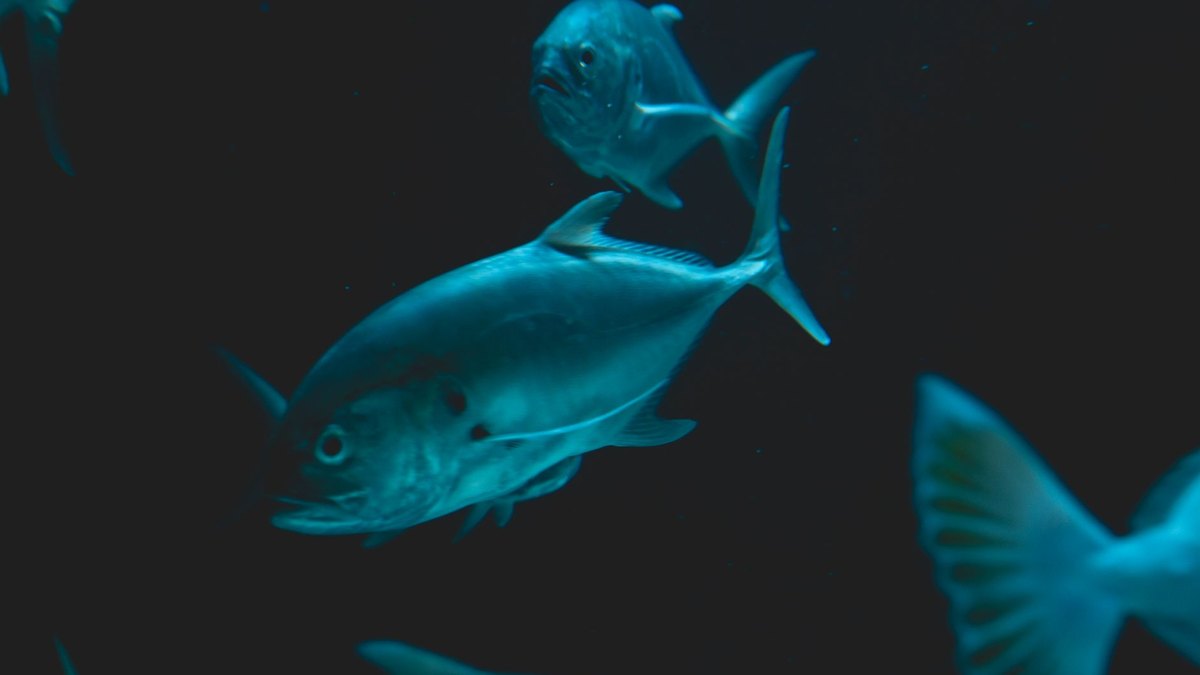
The ocean's depths are famously unexplored, and an unexplained, monstrous sound was irresistible to the imagination. Some speculated the Bloop came from a giant, unknown sea creature — after all, the sound was far louder than anything a known animal like a whale could produce. This idea spread widely, feeding the enduring human fascination with what might lurk in the darkness far below the surface where sunlight never reaches.
The Sea Monster Theory
The most popular theory held that the Bloop was biological — the call of some enormous creature yet to be discovered. The sound did share some characteristics with animal noises, which fueled the speculation. Given how little of the deep ocean humans have explored, the idea wasn't as absurd as it might seem. Even today, scientists regularly discover new marine species, so the possibility of hidden giants isn't entirely unreasonable.
What Science Eventually Found
After years of study, scientists concluded that the Bloop was not a creature at all, but the sound of ice. Specifically, it matched the noise of a large iceberg cracking and fracturing as it broke apart — a process called icequake. As massive chunks of ice split and scrape against the seafloor near Antarctica, they generate tremendous low-frequency sounds. The Bloop, it turned out, was the voice of the frozen continent, not a monster.
Why the Explanation Still Fascinates
Even with a scientific answer, the Bloop remains compelling. It reminds us that natural forces can produce sounds so powerful and strange they seem otherworldly. The mystery also highlights how much we still don't understand about the oceans, which cover most of our planet yet remain largely unexplored. Sometimes the real explanation — a continent of ice groaning as it breaks — is as awe-inspiring as any legend.
The Deep Ocean's Lasting Mysteries
The Bloop is solved, but the deep sea still holds countless secrets. Strange sounds are recorded regularly, and many marine creatures remain undiscovered. The vast majority of the ocean floor has never been mapped in detail. Stories like the Bloop keep our curiosity alive and remind us that some of the greatest unexplored places on Earth lie not in outer space, but in the dark waters right here at home.
The Bottom Line
The Bloop was a mysterious, immensely loud underwater sound recorded in 1997 that fueled years of speculation about deep-sea monsters. Science eventually traced it to the cracking of a huge iceberg near Antarctica — a natural process powerful enough to echo across thousands of kilometers of ocean. The truth proved just as remarkable as the myths, and a reminder that the deep sea remains one of our planet's most mysterious realms.




Be the first to share a thought.