Imagine two identical bookshelves. One you bought fully assembled; the other you built yourself, sweating over confusing instructions and a bag of tiny screws. Chances are you'd value the one you built more highly — even if it's slightly crooked. Psychologists call this the IKEA effect: the tendency to place a disproportionately high value on things we've partly created ourselves. It's a small quirk of the mind with surprisingly large consequences for how we spend, decide, and let go.
What the IKEA Effect Is
The IKEA effect describes how the labor we put into something inflates our sense of its worth. In studies, people who assembled simple items themselves were willing to pay more for them than for identical pre-made versions — and often valued their own handiwork as highly as an expert's. The effort itself becomes part of the value. It's not really about the object; it's about the sweat and attention we invested in it.
Why Effort Changes How We See Value
Part of the reason is that effort feels meaningful. When we work on something, we form a connection to it, and completing the task gives a small sense of accomplishment. That good feeling gets attached to the object, so we see it as better than it objectively is. There's also a bit of self-justification at play: if we spent time and energy on something, our mind quietly concludes it must have been worthwhile.
Where It Shows Up in Everyday Life
The IKEA effect reaches far beyond furniture. It's why a meal you cooked tastes better than the same dish from a restaurant, why a business plan you drafted feels stronger than a colleague's, and why you cling to a home project long after it stopped making sense. Companies use it too, inviting customers to customize or partly build products, knowing that involvement breeds attachment and loyalty.
The Downside of Loving Your Own Work
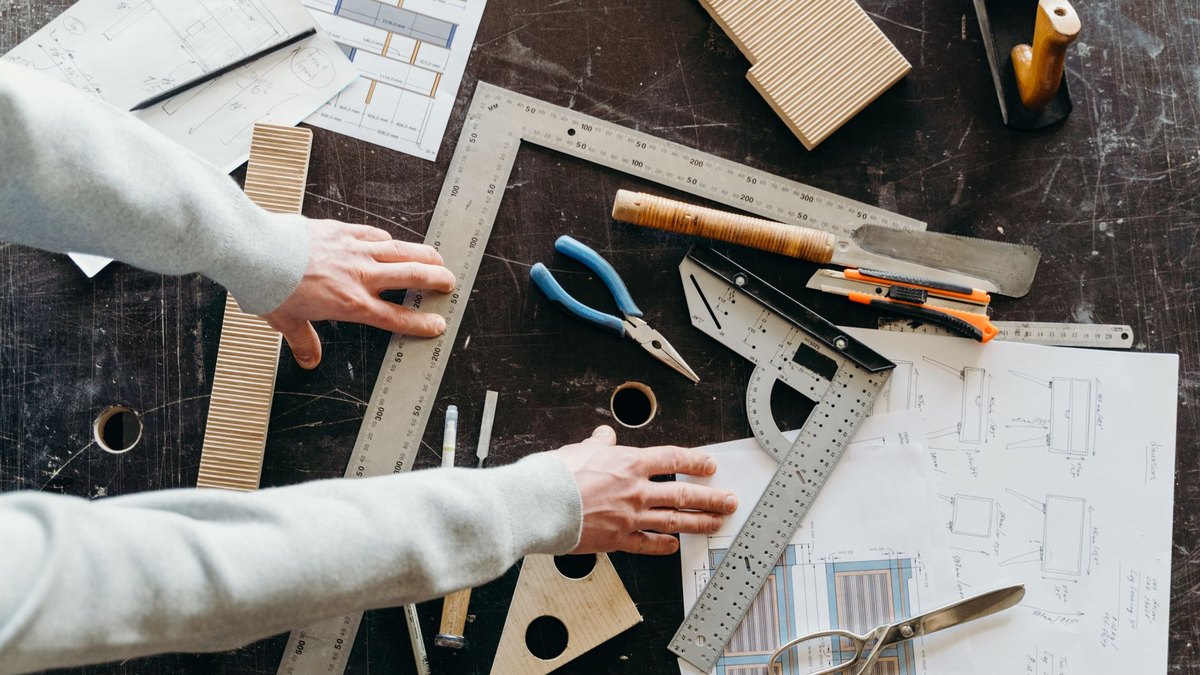
This bias isn't always harmless. Overvaluing our own creations can make us stubborn. We defend flawed ideas simply because they're ours, resist feedback that would improve them, and hang on to projects we should abandon. In business and creative work, the inability to let go of something you built can quietly cost far more than starting fresh would.
How to Keep It in Check
You can't switch off the IKEA effect, but you can account for it. When judging your own work, try to imagine that someone else made it — would you still rate it so highly? Seek honest outside opinions, and separate the value of your effort from the value of the result. Being proud of the work you put in is healthy; letting that pride blind you to a better option is not.
The Bottom Line
The IKEA effect is a gentle reminder that our judgment is rarely neutral. The things we build, cook, write, and plan carry the invisible weight of our effort, and that weight makes them feel more valuable than they may be. Enjoy the satisfaction of making things — it's one of life's real pleasures. Just remember, when a decision matters, to step back and look at your creation the way a stranger would.



Be the first to share a thought.