Alcohol occupies a strange position in health conversations. It is one of the most widely used psychoactive substances on earth, deeply embedded in social ritual, and simultaneously one of the better-studied causes of preventable disease. Most people know roughly what heavy drinking does. What surprises people more often is what a moderate amount does, especially to sleep — where the everyday experience of alcohol is almost exactly backwards from what is actually happening.
What Happens in the First Hour
Alcohol is absorbed quickly, mostly through the small intestine, and reaches the brain within minutes. Its primary action is to enhance the effect of GABA, the brain's main inhibitory neurotransmitter, while suppressing glutamate, the main excitatory one. The net result is a general slowing of neural activity.
That is why the early effects feel like relaxation and confidence. The regions that handle self-monitoring and inhibition are affected before those handling basic function, so judgment and restraint loosen before coordination and speech noticeably degrade. The feeling of being sharper or funnier is a side effect of losing the internal editor, not of any actual improvement.
The liver processes alcohol at a roughly fixed rate — approximately one standard drink per hour, with substantial individual variation. Nothing reliably speeds this up. Coffee, cold showers, and food after the fact affect how awake you feel, not how much alcohol is in your blood.
The Sleep Illusion
Here is the part that matters most for daily life. Alcohol is a sedative, and sedation is not sleep.
Because it depresses the nervous system, alcohol genuinely shortens the time it takes to fall asleep. That is the effect people notice, and it is why the nightcap has such a durable reputation. But the effect on sleep architecture — the sequence and proportion of sleep stages across the night — is markedly negative.
**The first half of the night:** alcohol suppresses REM sleep, the stage most associated with emotional processing and memory consolidation, and it increases deep slow-wave sleep somewhat. This is why the early hours can feel unusually heavy.
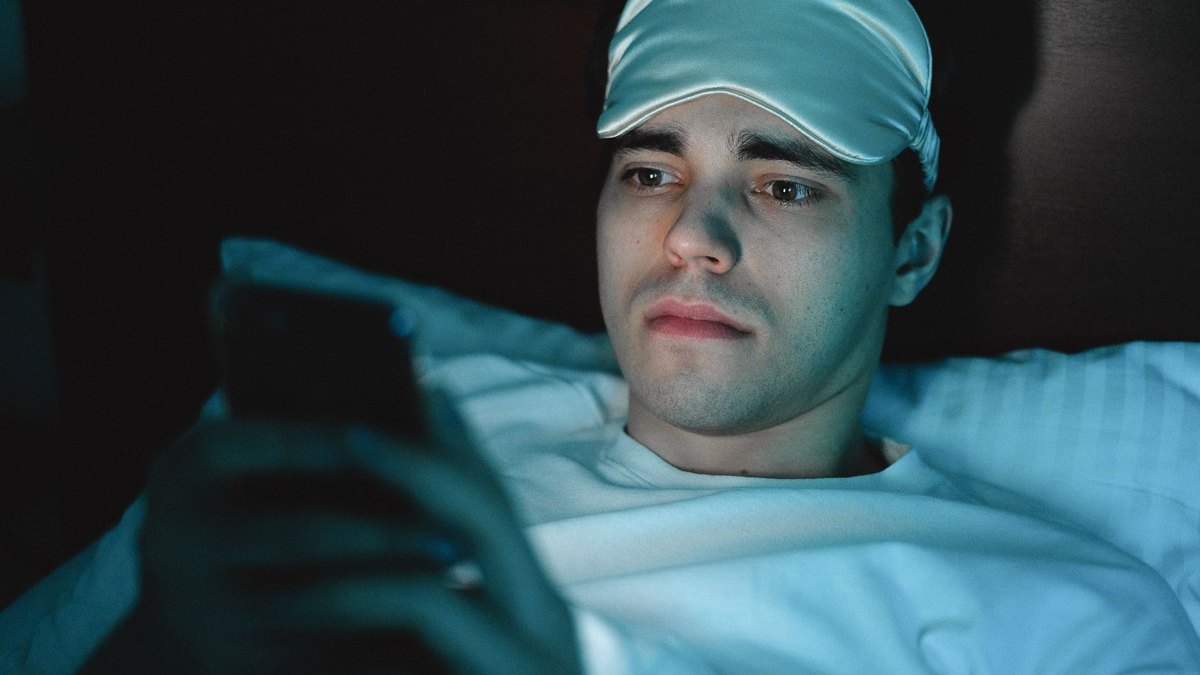
**The second half:** as the alcohol is metabolised, the brain rebounds. Suppressed REM comes back in a surge, producing fragmented, vivid, often unpleasant dreams. Sleep becomes lighter and repeatedly interrupted, frequently with brief awakenings you may not consciously remember. Many people simply wake at three or four in the morning and cannot settle again.
Alcohol also relaxes the muscles of the upper airway, which worsens snoring and can turn mild sleep-disordered breathing into genuine apnoea episodes. And because it suppresses the hormone that limits urine production, it adds bathroom trips to an already fragmented night.
The result is a night that felt easy to start and delivered poor-quality rest. People routinely report sleeping through the night after drinking while measuring, in the lab, some of their worst sleep of the week.
The Rest of the Body
**Dehydration and the hangover.** Alcohol suppresses vasopressin, so you lose more fluid than you take in. Dehydration explains part of a hangover — headache and dry mouth — but not all of it. Inflammation, disrupted sleep, low blood sugar, and the toxic intermediate acetaldehyde all contribute, which is why drinking water helps but does not prevent one.
**The liver.** Every drink is metabolised here. Regular heavy intake progresses through fatty liver, which is reversible, to inflammation and eventually fibrosis and cirrhosis, which are not. Fatty liver can develop surprisingly quickly and produces no symptoms at all in its early stages.
**The heart.** The old claim that moderate drinking protects the heart has weakened considerably. Much of the original benefit appears to have been a statistical artefact — the abstainer comparison groups often included people who had stopped drinking because they were already ill. Meanwhile alcohol clearly raises blood pressure and increases the risk of atrial fibrillation, an effect noticeable even after a single heavy evening.
**Cancer risk.** This is the least-known finding among the general public. Alcohol is classified as a Group 1 carcinogen, the same category as tobacco and asbestos. The association is strongest for cancers of the mouth, throat, oesophagus, liver, colon, and breast — and for breast cancer, risk increases measurably at levels most people would describe as moderate.
**Mood.** Alcohol offers short-term anxiety relief followed by a rebound as it clears, which is why the day after often brings elevated anxiety. Used regularly to manage stress, it reliably makes the underlying stress worse.
What Actually Reduces the Damage
**Stop drinking earlier in the evening.** Sleep quality depends heavily on how much alcohol remains in your system at bedtime. Finishing three to four hours before bed removes a large portion of the disruption.
**Keep alcohol-free days.** Consecutive drinking days give the liver no recovery window, and tolerance builds quickly, pushing consumption upward without any increase in subjective effect.
**Eat before and during.** Food slows absorption, lowering peak blood alcohol for the same total intake.
**Alternate with water.** This limits both dehydration and total volume consumed, largely by slowing the pace.
**Track honestly.** Home pours are usually far larger than standard measures, and most people underestimate their intake by a significant margin. Counting drinks rather than occasions is the single most revealing change.
The Bottom Line
Alcohol's relationship with sleep is the clearest example of how the immediate experience of a substance can mislead you about its effects. It makes falling asleep easier and staying asleep harder, and the trade is a bad one. There is no threshold below which alcohol is actively good for you, but there is a large difference between occasional moderate drinking and daily use — and for sleep specifically, the simplest improvement most people can make is to move the last drink several hours earlier, or to skip it on nights when the following day actually matters.


Be the first to share a thought.