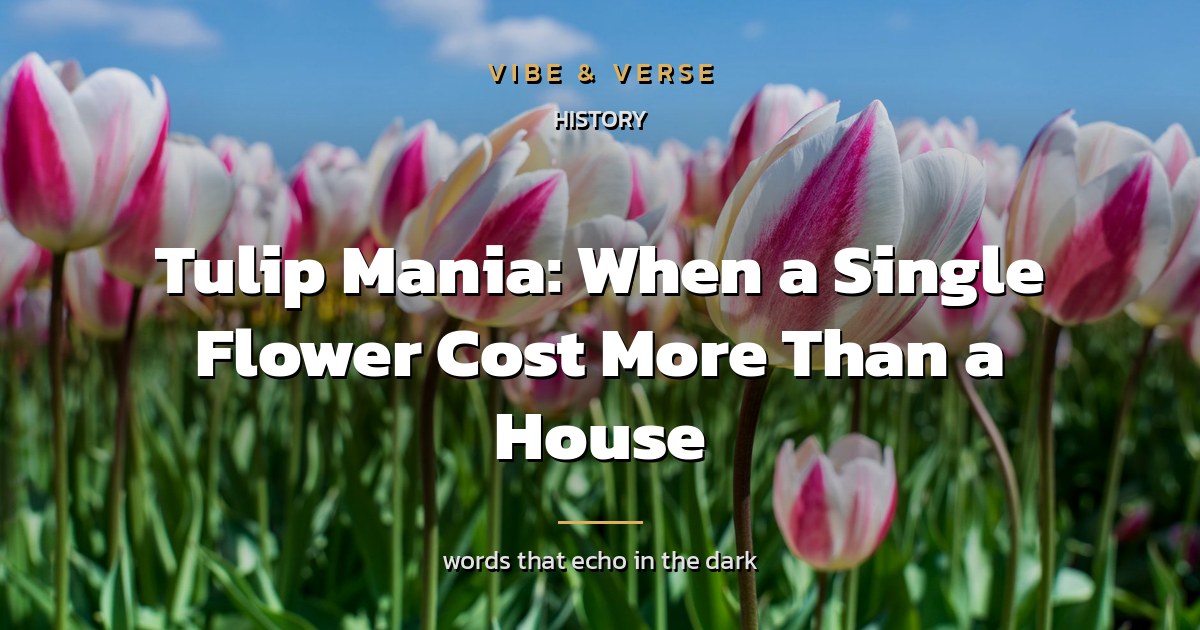
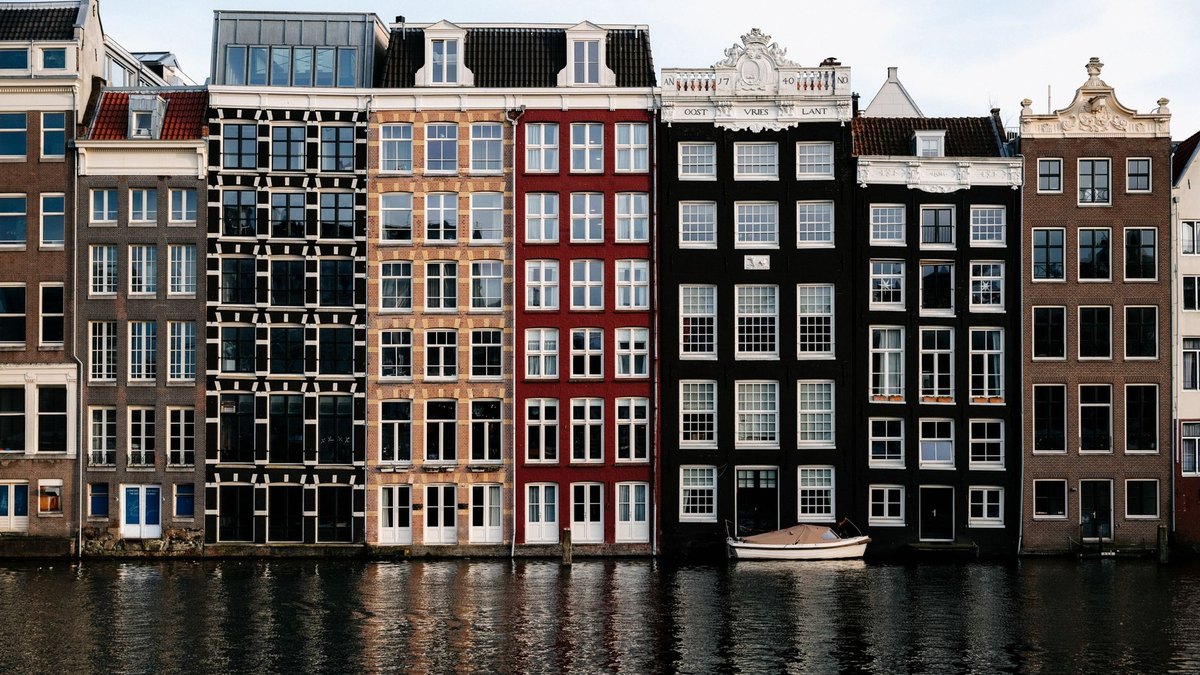
Imagine paying more for a single flower bulb than for a canal-side mansion. It sounds absurd — yet in the Netherlands in the 1630s, this really happened. Tulip bulbs became so wildly sought after that their prices rocketed to dizzying heights, only to crash to almost nothing in a matter of days. Tulip Mania is often remembered as the first great speculative bubble in recorded history, and a timeless lesson about greed, hype, and crowds.
A Flower Becomes a Status Symbol
Tulips arrived in Europe from the Ottoman Empire and quickly became a sensation in the wealthy, booming Dutch Republic. Their vivid colors were unlike anything native to Europe, and rare varieties — especially those with dramatic flame-like patterns on their petals — became prized symbols of wealth and taste. Owning the most exotic tulips was a way to show off status, and demand for the rarest bulbs began to climb.
Prices Spiral Out of Control
As demand grew, so did speculation. People began buying tulip bulbs not to plant and enjoy, but to sell later at a profit. Prices rose, which attracted more buyers, which pushed prices higher still — a self-feeding frenzy. At the peak, the rarest bulbs reportedly changed hands for astonishing sums, with single bulbs said to be worth as much as a fine house, or many years of a skilled worker's wages.
Traders bought and sold bulbs that were still in the ground, signing contracts to exchange them in the future. People from many walks of life joined in, convinced that prices could only keep rising and that they were getting rich.
The Crash
Then, almost overnight, confidence evaporated. At a routine bulb auction, buyers simply stopped showing up at the sky-high prices. Panic spread as everyone realized the same thing at once: the bulbs weren't actually worth what people were paying. Prices collapsed, contracts became worthless, and those left holding bulbs — or promises to buy them — faced ruin. The mania that had taken months to build unraveled in days.
What It Really Teaches
Historians debate just how widespread and economically damaging Tulip Mania truly was — some argue the popular story exaggerates the scale of the ruin. But whatever the precise details, it endures as the classic parable of a speculative bubble: an asset's price detaches from its real value, driven purely by the belief that someone else will pay more, until suddenly no one will.
The same pattern has repeated throughout history in different forms, from stock manias to housing bubbles to speculative crazes of the modern age. The object changes; the psychology doesn't.
The Takeaway
Tulip Mania is remembered not because of the flowers, but because of what it reveals about us. When enough people believe a price can only go up, they can drive it to heights that defy all reason — and the higher it climbs, the harder it falls. Nearly four centuries later, the tulip remains a quiet warning: when everyone is certain they're getting rich on something that keeps soaring, it's worth remembering the Dutchmen who once traded houses for flowers.





Be the first to share a thought.