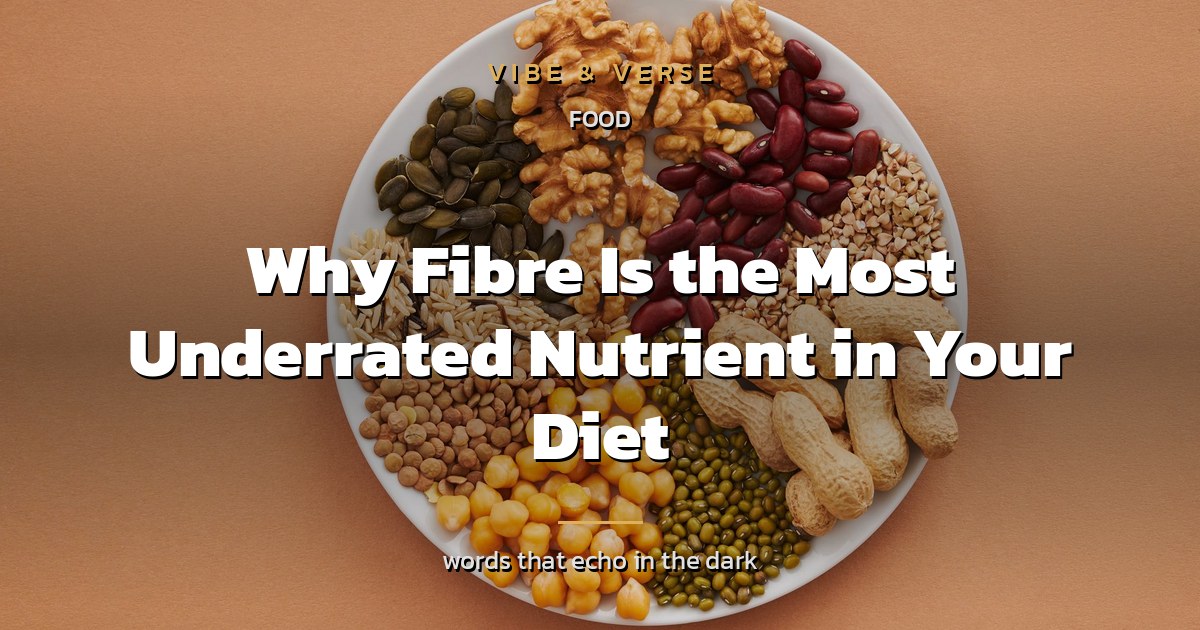
Protein gets the attention. Fat and carbohydrates get the arguments. Fibre gets ignored — which is unfortunate, because it is one of the few dietary components where the evidence is consistent, substantial, and almost entirely one-directional. People who eat more fibre live longer, get less heart disease, less type 2 diabetes, and less colorectal cancer. And most people eat roughly half of what is recommended.
What Fibre Actually Is
Fibre is the part of plant food your small intestine cannot digest. Everything else you eat gets broken down and absorbed. Fibre passes through largely intact — which sounds useless until you look at what it does along the way and what happens when it reaches the colon.
There are two broad types, and most fibre-rich foods contain both.
**Soluble fibre** dissolves in water and forms a gel. Found in oats, barley, beans, lentils, apples, citrus, and psyllium. It slows digestion, blunts blood sugar spikes, and binds bile acids in a way that lowers LDL cholesterol.
**Insoluble fibre** does not dissolve. Found in wholegrains, wheat bran, nuts, and the skins and stalks of vegetables. It adds bulk and speeds transit through the gut.
**Resistant starch** is a third category worth knowing about — starch that escapes digestion and behaves like fibre. It forms when cooked potatoes, rice, and pasta are cooled, which means yesterday's cooked rice eaten cold contains more of it than it did fresh.
What It Does
**Feeds your gut bacteria.** This is the part that has transformed how researchers think about fibre. Colon bacteria ferment fibre and produce short-chain fatty acids, particularly butyrate, which is the primary fuel for the cells lining your colon and has anti-inflammatory effects. Fibre is not just roughage passing through — it is the main food supply for an organ's worth of microorganisms.
**Lowers cholesterol.** Soluble fibre binds bile acids and carries them out. The liver pulls cholesterol from the blood to make more. This effect is modest per serving but reliable and cumulative.
**Flattens blood sugar.** By slowing gastric emptying and glucose absorption, fibre reduces the size of post-meal spikes. This is why whole fruit and fruit juice affect blood sugar so differently despite similar sugar content.
**Improves satiety.** Fibre-rich foods take longer to eat, occupy more volume, and stay in the stomach longer. People eating higher-fibre diets tend to consume fewer calories without deliberately restricting.
**Regulates bowel function.** It helps both constipation and, less intuitively, loose stools — soluble fibre absorbs water and adds form.
**Reduces colorectal cancer risk.** One of the more consistent findings in nutritional epidemiology, likely through a combination of faster transit, dilution of irritants, and butyrate production.
How Much You Need
General recommendations sit around 25 to 30 grams per day for adults, with some bodies suggesting more. Average intake in most Western countries is roughly 15 grams.
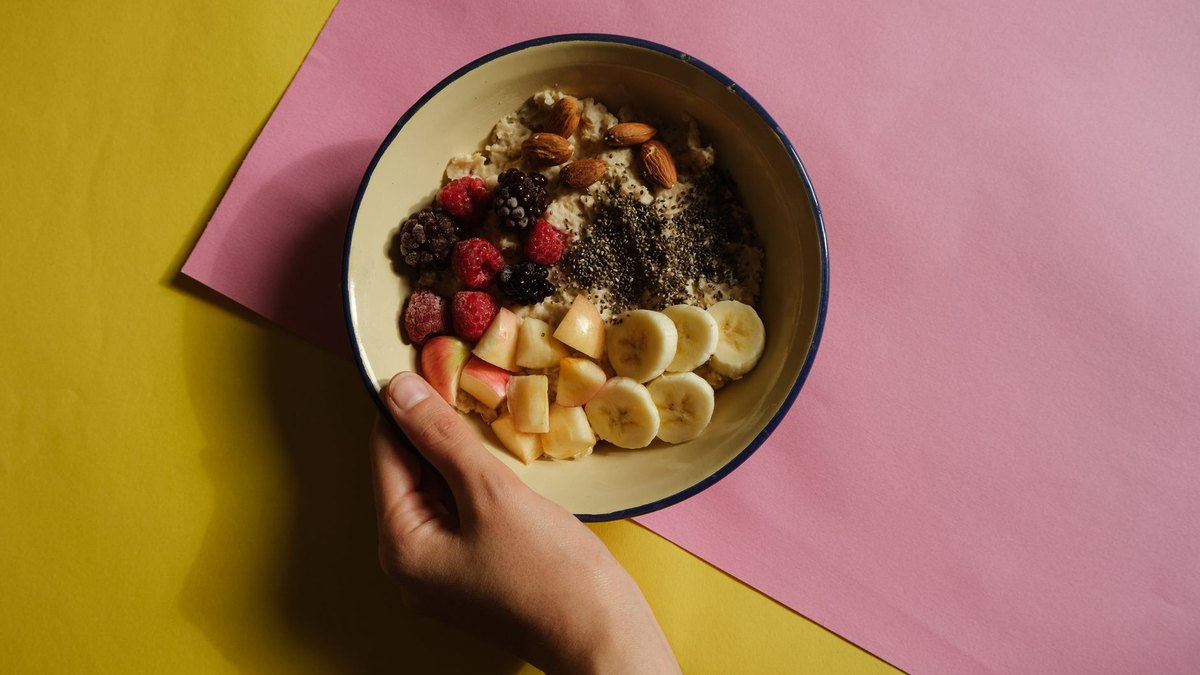
To put that in perspective, a slice of wholemeal bread has about 2 grams, a medium apple with skin about 4, a cup of cooked lentils about 15, and a cup of raspberries about 8.
Where to Get It
The most fibre-dense foods per serving are, roughly in order:
- **Legumes** — lentils, chickpeas, black beans, split peas. Nothing else comes close per serving.
- **Wholegrains** — oats, barley, bulgur, quinoa, wholemeal bread and pasta
- **Berries and pears** — among the highest-fibre fruits, especially raspberries
- **Nuts and seeds** — chia and flaxseed are exceptional; almonds are strong
- **Vegetables** — particularly artichokes, broccoli, peas, carrots, and sweet potato with skin
- **Avocado** — unusually high for a fruit
Notice what is missing: almost all animal foods contain zero fibre. Meat, fish, eggs, and dairy contribute nothing. A diet built primarily around them will be low in fibre no matter how healthy it looks otherwise.
How to Increase It Without Suffering
The most common mistake is going from 15 grams to 35 grams overnight. That reliably produces bloating, gas, and cramping, and most people conclude fibre disagrees with them and stop. **Increase gradually over two to three weeks** and the gut bacteria adjust.
**Drink more water.** Fibre without adequate fluid can worsen constipation rather than relieve it — this is the single most common reason a fibre increase backfires.
Practical swaps that add several grams each without changing meals much:
- Leave skins on potatoes, apples, cucumbers, and carrots
- Add a tin of lentils or beans to soups, stews, sauces, and mince dishes
- Choose wholegrain versions of bread, pasta, and rice
- Stir a tablespoon of chia or ground flaxseed into yoghurt or porridge
- Keep frozen peas and edamame on hand — both are high-fibre and require no preparation
- Eat fruit whole rather than juiced
- Add a handful of nuts as a snack instead of crisps
Supplements Versus Food
Fibre supplements — psyllium, inulin, methylcellulose — do work for specific purposes, particularly regularity and cholesterol. Psyllium has the strongest evidence base.
But supplements deliver one type of fibre, while food delivers many, alongside vitamins, minerals, and polyphenols that appear to work together. The microbiome benefits especially seem to depend on variety. **Diversity of plant foods matters as much as total grams** — the number of different plants eaten in a week is a better predictor of microbiome diversity than fibre quantity alone.
Who Should Be Careful
People with inflammatory bowel disease during a flare, certain strictures, or recent bowel surgery may need to limit fibre temporarily, on medical advice. Some people with IBS react badly to fermentable fibres specifically and do better with soluble types like psyllium. These are exceptions requiring individual guidance — not general cautions.
The Bottom Line
Fibre is unglamorous, appears in no marketing campaigns, and is the closest thing nutrition science has to a consensus recommendation. Most people are eating half of what they need, and closing that gap does not require a diet overhaul — a tin of beans in one meal a day and wholegrain versions of what you already eat gets most people most of the way there. Increase it slowly, drink water alongside it, and aim for variety rather than a single high-fibre product.





Be the first to share a thought.