There is a persistent belief that cooking damages food and that raw is therefore superior. It is half right, which is the most misleading kind of right.
Heat does destroy some nutrients. It also destroys cell walls, deactivates compounds that block absorption, and kills pathogens — all of which can make more nutrition available, not less. Whether a given method is a net gain or loss depends entirely on which food and which nutrient you are asking about.
What heat destroys
Vitamin C is the most fragile. It is water-soluble, heat-sensitive, and degrades with exposure to air and light. Long cooking in a lot of water is close to the worst case.
B vitamins, particularly folate and thiamine, are also water-soluble and leach into cooking liquid.
Some polyphenols and enzymes are heat-sensitive. Sulforaphane precursors in broccoli depend on an enzyme, myrosinase, that is deactivated by prolonged high heat.
Notably stable: minerals such as iron, calcium, magnesium and zinc do not break down with heat, though they can leach into water. Fibre is essentially unaffected. Protein is denatured but not lost, and denaturing usually improves digestibility.
What heat creates or unlocks
Lycopene in tomatoes becomes substantially more available when cooked. Heat breaks down the cell walls holding it. Cooked tomato products deliver more absorbable lycopene than raw tomatoes.
Beta-carotene in carrots, spinach and sweet potatoes is similarly more accessible after cooking, and better absorbed with some fat in the meal, since it is fat-soluble.
Protein digestibility improves with cooking, notably in eggs. Cooked egg protein is absorbed far more completely than raw, and cooking also deactivates avidin, a raw egg-white protein that binds biotin.
Starch becomes digestible. Raw potato and raw grain are largely indigestible; cooking gelatinises the starch. Interestingly, cooking and then cooling starchy foods such as potatoes, rice and pasta increases resistant starch, which behaves more like fibre and feeds gut bacteria.
Antinutrients are reduced. Cooking lowers phytates, oxalates and lectins, improving mineral absorption. This matters most for legumes and grains. Some raw legumes, particularly kidney beans, are genuinely toxic and require proper soaking and boiling.
Safety. This is the largest nutritional benefit of cooking and the one least often mentioned: food that does not make you ill is more nourishing than food that does.
Method by method
Steaming
The best general-purpose method for vegetables. Food does not sit in water, so leaching is minimal, and temperatures stay moderate. Steamed broccoli retains more vitamin C and glucosinolates than boiled.
Boiling
The most nutrient-loss-prone method for water-soluble vitamins, because they dissolve into the water. Two easy fixes: use less water, and keep the water. Soups, stews and curries lose nothing, because the leached nutrients are still in the bowl. Boiling potatoes with the skin on reduces losses considerably.
Microwaving
Consistently better than its reputation. Short cooking times and very little water mean nutrient retention is generally excellent — often better than boiling and comparable to steaming. The idea that microwaves uniquely destroy nutrients is not supported by evidence.
Roasting and baking
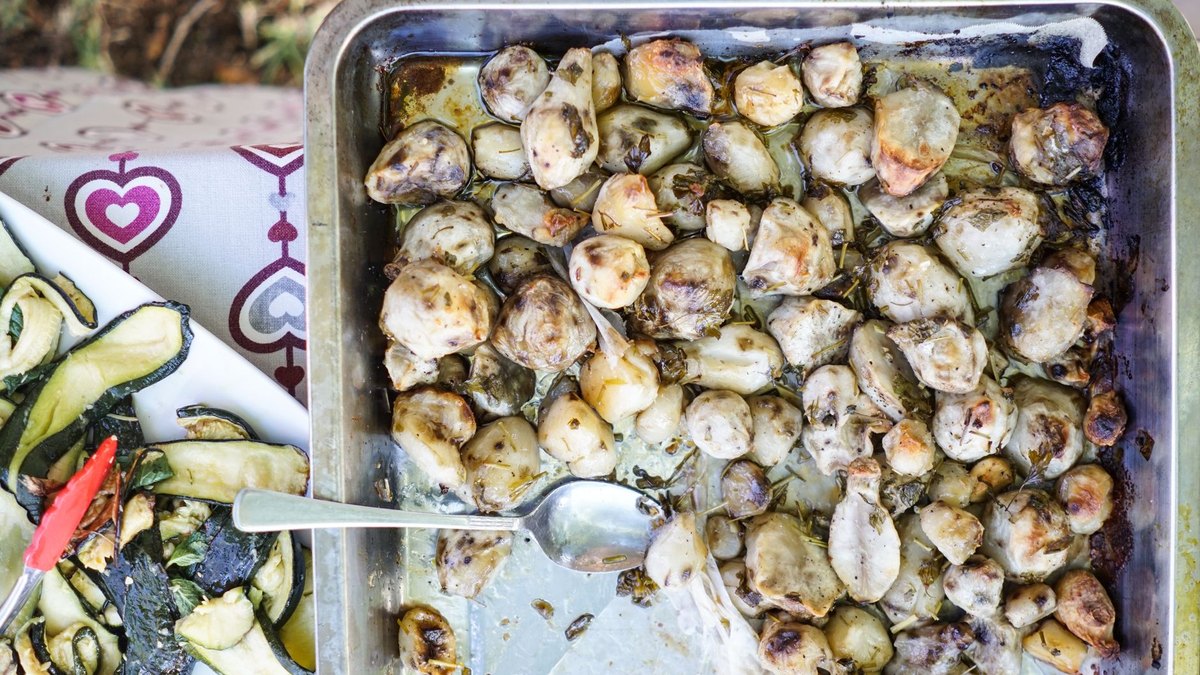
Moderate losses of heat-sensitive vitamins, no leaching, and excellent flavour development through the Maillard reaction. Very good for root vegetables. Long high-heat roasting of meat produces some heterocyclic amines, which is a reason not to char it to blackness.
Sautéing and stir-frying
Fast and hot, with little water, so retention is good, and the added fat improves absorption of fat-soluble vitamins A, D, E and K. Adding a modest amount of oil to a salad or vegetable dish measurably increases carotenoid absorption — fat-free dressing on a carrot salad wastes a portion of the carotene.
Deep frying
Nutrient retention is not the main issue; the added fat, calories, and the degradation of oil reused at high temperature are. Occasional is fine; the oil quality matters more than most people assume.
Grilling and barbecuing
Flavour is excellent. Charring and fat dripping onto flames produce polycyclic aromatic hydrocarbons and heterocyclic amines. Practical mitigation: marinate first, which measurably reduces their formation, avoid direct flame contact, trim excess fat, cook at moderate temperature, and remove blackened portions.
Pressure cooking
High temperature but very short time and little water. Retention is generally good, and it is particularly efficient for legumes, where it also reduces antinutrients well.
Practical rules that survive contact with a real kitchen
- Cook vegetables in as little water as possible, for as short a time as possible, and cut them after cooking rather than before where practical — more cut surface means more leaching.
- Keep the cooking liquid whenever you can. Stock, gravy, soup.
- Eat a mix of raw and cooked. Different preparations make different nutrients available, so variety is the answer rather than a single correct method.
- Include some fat with vegetables. Olive oil, nuts, avocado, cheese, or the fat already in the dish.
- If chopping broccoli, letting it stand for around 40 minutes before cooking allows the enzyme to act first, preserving more sulforaphane. Lightly steaming rather than boiling preserves more of it too.
- Do not overcook meat and fish to compensate for anxiety; use a thermometer and cook to the correct temperature, which is both safer and better food.
- Frozen vegetables are frequently equal or superior to fresh, because they are blanched and frozen within hours of harvest, while "fresh" produce may have spent a week in transit losing vitamin C.
The bigger picture
Cooking-method differences are real but modest. A vegetable boiled badly still supplies fibre, minerals, and most of its phytonutrients. Losing 30 percent of the vitamin C in a portion of broccoli matters far less than whether you ate the broccoli at all.
The evidence-based hierarchy is: eat plants, in quantity and variety, prepared in a way you actually enjoy enough to repeat. Optimising the method is a refinement that comes after that, not a prerequisite for it.
The short version
Heat destroys vitamin C and some B vitamins, and leaves minerals, fibre and protein intact. It also unlocks lycopene, carotenoids, and digestible starch and protein, and removes antinutrients and pathogens. Steaming, microwaving and quick stir-frying retain the most; long boiling in lots of discarded water retains the least.
Use less water, keep the liquid, add a little fat, mix raw with cooked, and stop worrying about the rest.

Be the first to share a thought.