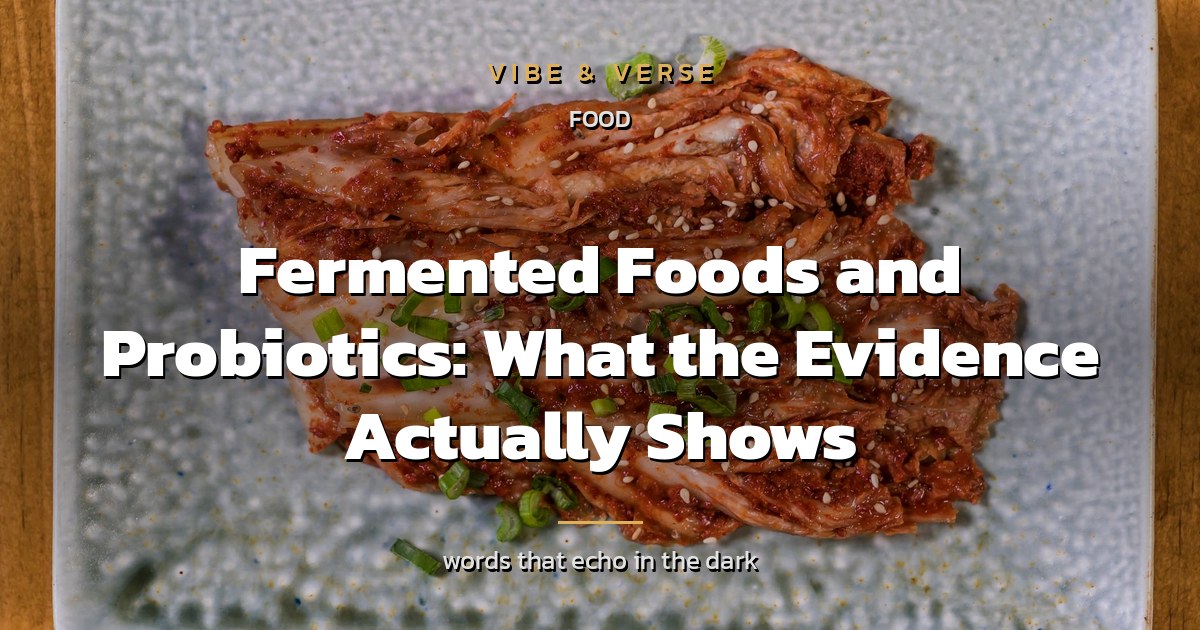
Fermentation is one of the oldest food technologies humans have. It predates refrigeration by thousands of years and exists in essentially every food culture: yoghurt and kefir, kimchi and sauerkraut, miso and natto, tempeh, sourdough, cheese, vinegar, fish sauce, and — depending on how you feel about the definition — beer, wine, coffee and chocolate.
It has also become a wellness category, which means the claims have run well ahead of the evidence. Sorting the two out starts with a definition most articles skip.
Fermented food is not the same as probiotic
A fermented food is one transformed by microorganisms — bacteria, yeasts, or moulds — converting sugars and starches into acids, alcohol, or gases.
A probiotic, by the accepted scientific definition, is a live microorganism that, in adequate amounts, confers a specific health benefit. That definition sets a high bar: a named strain, a measured dose, and demonstrated effects.
The distinction has practical consequences:
- Many fermented foods are not probiotic in the technical sense. Sourdough bread is baked, so the microbes are dead. Most beer and wine is filtered. Pasteurised sauerkraut and pickles from a shelf-stable jar contain no live cultures. Most supermarket pickles are not fermented at all — they are cucumbers in vinegar.
- Fermented foods that are alive — live yoghurt, kefir, unpasteurised kimchi and sauerkraut, miso added after cooking — contain live cultures, but usually not characterised strains at studied doses.
- Fermentation delivers benefits beyond live bacteria: it can improve digestibility, reduce compounds that block mineral absorption, generate B vitamins and vitamin K2, and produce bioactive compounds. Sourdough fermentation lowers the glycaemic response of bread and reduces phytate. Those benefits survive baking.
So a food can be worth eating even if nothing in it is alive by the time you get it.
What the evidence supports reasonably well
Specific probiotic strains for specific conditions
The strongest evidence is narrow and strain-specific. Certain strains reduce the duration of infectious diarrhoea in children, reduce the risk of antibiotic-associated diarrhoea, help in preventing necrotising enterocolitis in premature infants, and improve some symptoms of irritable bowel syndrome. These effects belong to particular strains at particular doses, and do not transfer to probiotics as a general category — much less to a yoghurt drink chosen off a shelf.
Lactose digestion
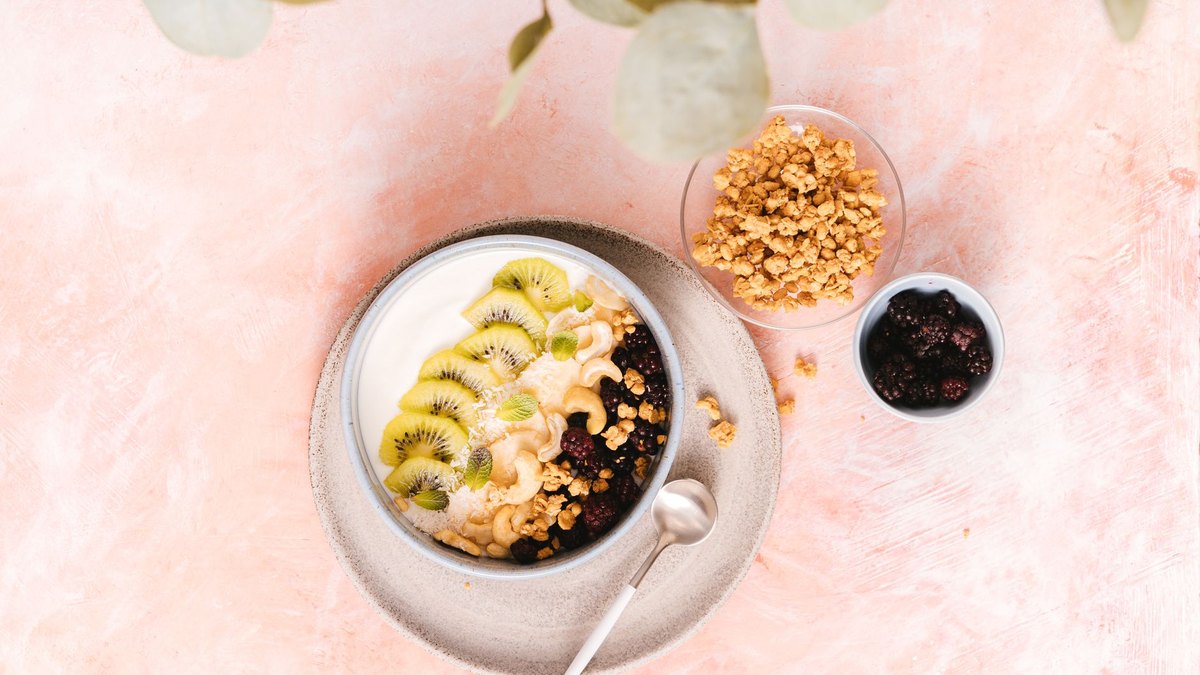
The live cultures in yoghurt genuinely help people with lactose intolerance digest lactose. This is well established and is one of the clearest examples of a live-culture benefit.
Microbiome diversity
A notable Stanford trial published in 2021 randomised people to a high-fermented-food diet or a high-fibre diet for ten weeks. The fermented-food group showed increased microbiome diversity and decreased markers of inflammation. The fibre group did not show the same effect over that period. It is one study with a modest sample, and it needs replication, but it is among the better-designed pieces of evidence in this area.
Fermented dairy and cardiometabolic markers
Observational data associate yoghurt and other fermented dairy with modestly lower risk of type 2 diabetes and cardiovascular disease. Observational, so causality is not established, but consistent across populations.
What the evidence does not support
- That probiotics improve general health in healthy people. Reviews consistently find little effect in people without a specific condition.
- That probiotic supplements permanently colonise the gut. In most people, they pass through. Effects generally stop when you stop taking them.
- That kombucha detoxifies anything. The liver and kidneys handle that, and "detox" is a marketing concept rather than a physiological one.
- That any fermented food reliably treats anxiety or depression. The gut-brain axis is a real and active research field with genuinely interesting early findings, but the current human evidence does not support the confident claims made for "psychobiotics."
- That more strains on the label means a better product. Strain identity and evidence matter; the count does not.
- That everyone should take a daily probiotic supplement. For most healthy people, food is a better route.
Practical guidance
If you want live cultures, look for them
Check for "live and active cultures" and buy refrigerated products. Shelf-stable sauerkraut, pickles and kimchi have been pasteurised. Vinegar-based pickles were never fermented.
Add fermented foods after heat
Cooking kills the cultures. Stir miso into soup once it is off the boil; add kimchi at the end or serve alongside; use yoghurt as a finishing sauce rather than boiling it.
Start small
Introducing large amounts of fermented food quickly commonly causes gas and bloating. Begin with a couple of tablespoons a day and increase over a few weeks.
Variety beats volume
Different foods carry different microbial communities. A bit of yoghurt, some kimchi, occasional kefir and miso is a more sensible pattern than a litre of one thing.
Do not neglect fibre
This is the most commonly missed point. Probiotics add microbes; fibre feeds the ones you already have. Legumes, whole grains, vegetables, fruit, nuts and seeds do more for the gut microbiome over time than any fermented food, and the two work together.
Watch the salt and the sugar
Kimchi, sauerkraut, miso and soy sauce are high in sodium. Many commercial kombuchas and flavoured yoghurts contain substantial added sugar. A "gut health" label does not exempt a product from the rest of its nutrition panel.
Who should be cautious
- People who are significantly immunocompromised, critically ill, or have central venous catheters — live cultures have caused infections in these groups, rarely but seriously. Medical advice first.
- People with histamine intolerance, since fermented foods are typically high in histamine.
- People on MAOI antidepressants, who need to limit tyramine-rich fermented foods including aged cheese and some soy products.
- Home fermenters, who should follow tested recipes. Vegetable fermentation in brine is generally low risk, but improperly handled home canning and certain preparations carry a genuine botulism risk.
The short version
Fermented foods are a good addition to a diet — for flavour, for digestibility, and with reasonable evidence for microbiome diversity and lactose digestion. They are not medicine, and most of the specific health claims attached to probiotics belong to particular strains studied for particular conditions, not to the category as a whole.
Eat them because they are delicious and probably beneficial. Keep eating fibre because that part is not in doubt.





Be the first to share a thought.